Home / Safaris / Photography Safaris
Photography Safaris
Photography Safaris
Private vehicle, patient guiding, strong light windows.
Private vehicle, patient guiding, strong light windows.
Each route can be lengthened, shortened, or combined with another destination.
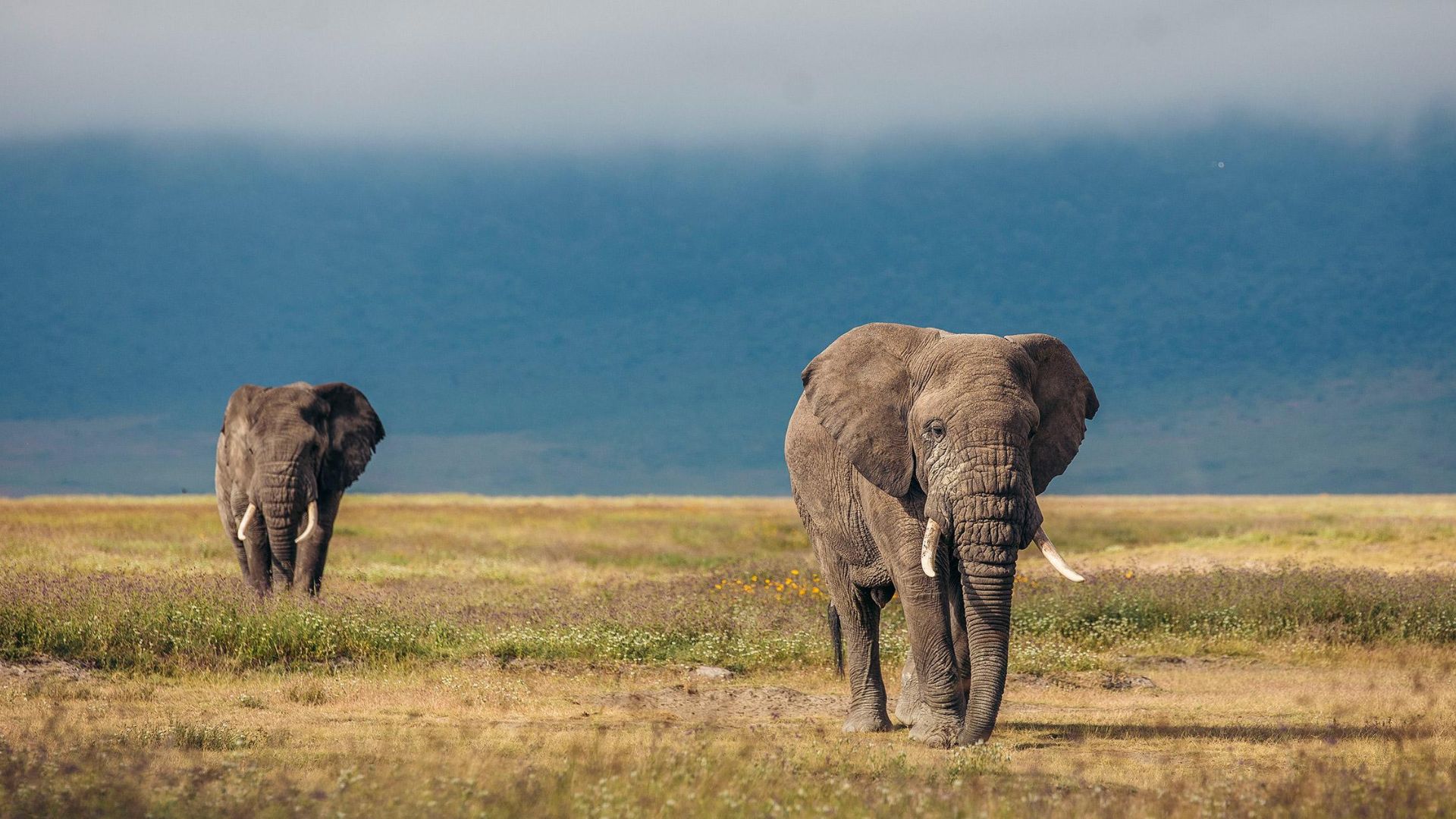
A boutique-luxury photography workshop safari — specialised vehicles, flexible golden-hour drives, and a sunrise balloon shoot.
View Itinerary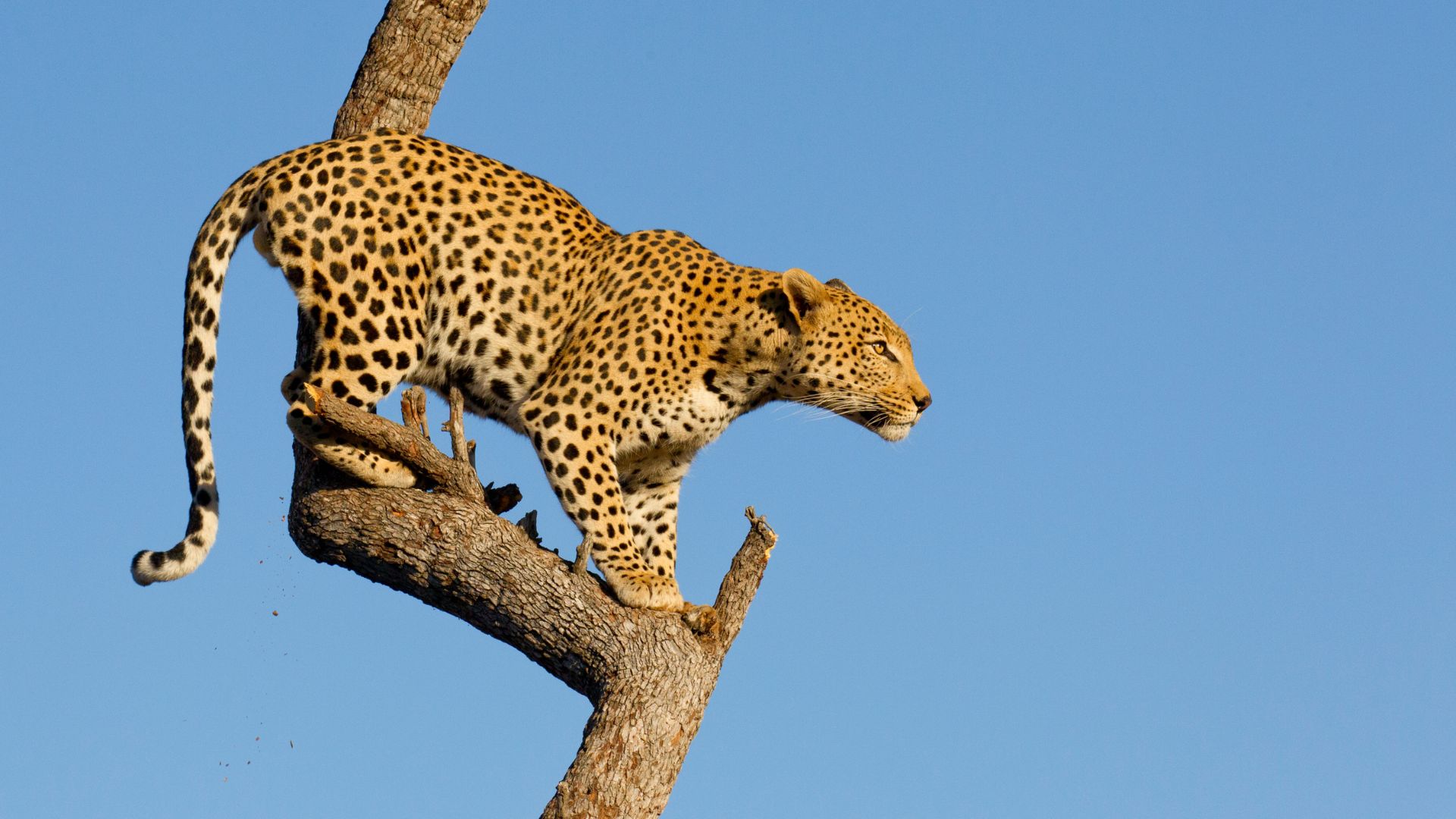
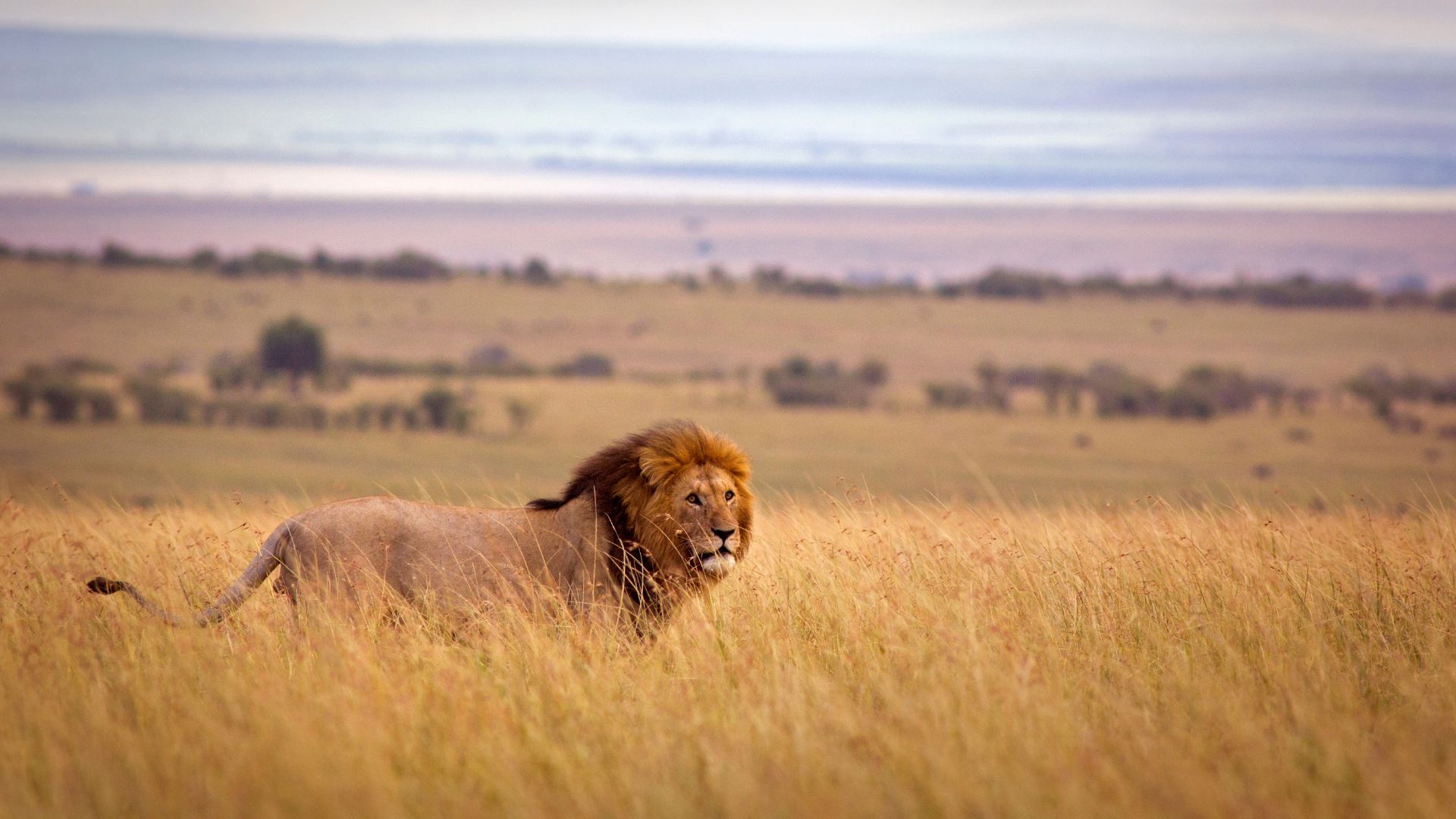
Five days of predator photography on the mainland, then a direct flight to Zanzibar for seascape and Stone Town light.
View Itinerary
A fully fly-in photography expedition through private concessions with off-road and night-drive permits, finishing on a private island.
View ItineraryA Tanzania photography safari is a dream trip for wildlife photographers, offering vast savannah landscapes, intense predator action, and incredible animal density under dramatic African skies. Getting professional-grade images requires more than standard sight-seeing — it demands specialized vehicles, guides who understand light angles and animal behavior, and precise gear choices.
Whether you shoot mirrorless or DSLR, action bursts or atmospheric environmental portraits, this guide covers everything you need for a successful photographic trip in Tanzania.
Having the right focal lengths and camera configurations determines whether you capture razor-sharp predator action or miss key moments changing lenses in dusty conditions.
| Equipment | Recommended Specs | Primary Purpose |
|---|---|---|
| Camera Bodies | Two dual-card mirrorless/DSLR bodies | Prevents lens swapping in dusty field conditions — telephoto on one body, mid-range zoom on the other. |
| Telephoto Zoom | 100–400mm or 200–600mm, f/4–f/5.6 | Frame-filling wildlife portraits, bird tracking, and action shots at safe distances. |
| Wide/Mid Zoom | 24–70mm or 16–35mm, f/2.8 | Dramatic landscapes, baobab trees, environmental wildlife contexts, and golden hour skies. |
| Support & Power | Heavy beanbag, 4+ batteries, dust covers | Vehicle door/window support is far superior to a monopod. Dust-proof covers and spare batteries are mandatory. |
Land at Kilimanjaro (JRO). Briefing with your lead photography guide, camera setup checks, and vehicle mounting adjustments.
Full day in Tarangire focusing on silhouetted elephant herds against ancient baobab trees in low morning and late afternoon light.
Early descent into the crater floor at first light for atmospheric mist, predator tracking, and high-density compositions.
Three full dedicated days focusing on big cat behavior, wide savannah environmental portraits, and action sequences.
Optional sunrise balloon flight for aerial landscape and herd photography, followed by afternoon low-angle light tracking.
Final dawn game drive before a bush flight transfer to Arusha for your evening international departure.
January to March (Green & Calving Season) — best for dramatic skies, lush green grass contrast, predator-prey interaction in Ndutu, and zero dust.
June to October (Dry Season) — best for dust-haze golden hours, river crossing action, and high animal concentrations around shrinking water sources.
November to December (Short Rains) — excellent for bird photography, rainbow and storm backdrops, and fresh newborn animals.
Tripods are unusable inside vehicles, and monopods are cumbersome in tight hatch spaces. A heavy, properly filled beanbag resting on the vehicle window frame or roof hatch edge provides superior stability for long lenses.
For moving animals, use Shutter Priority or Manual with Auto ISO, a minimum 1/1000s shutter speed (1/2000s for river crossings), continuous autofocus with animal eye-AF, and a high-speed burst drive mode.
Dedicated photo safaris with private vehicles and specialized guides range from $600 to $1,400+ per person per day, depending on group size, vehicle customization, and lodge tier.
Dates, pace, and what matters most — we'll turn it into a private itinerary within one working day.