Home / Safaris / Great Migration Safaris
Great Migration Safaris
Great Migration Safaris
Timed to the herds, not the calendar.
Timed to the herds, not the calendar.
Each route can be lengthened, shortened, or combined with another destination.
The same Nanyori Tours standard of care, shared with a small group on fixed dates.
View Itinerary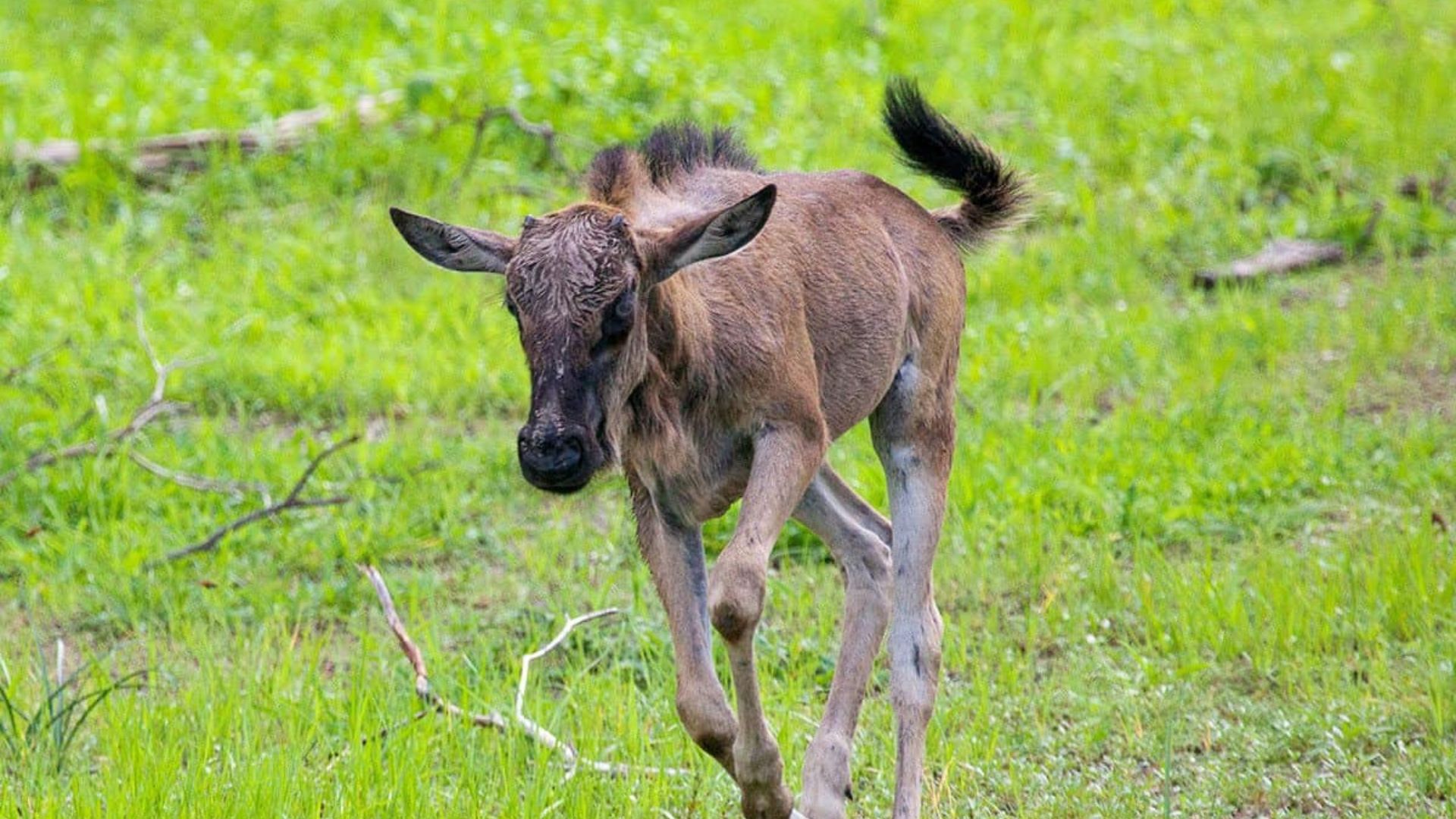
Front-row seats to the calving season on the Ndutu plains, with a sunrise balloon safari over the herds.
View Itinerary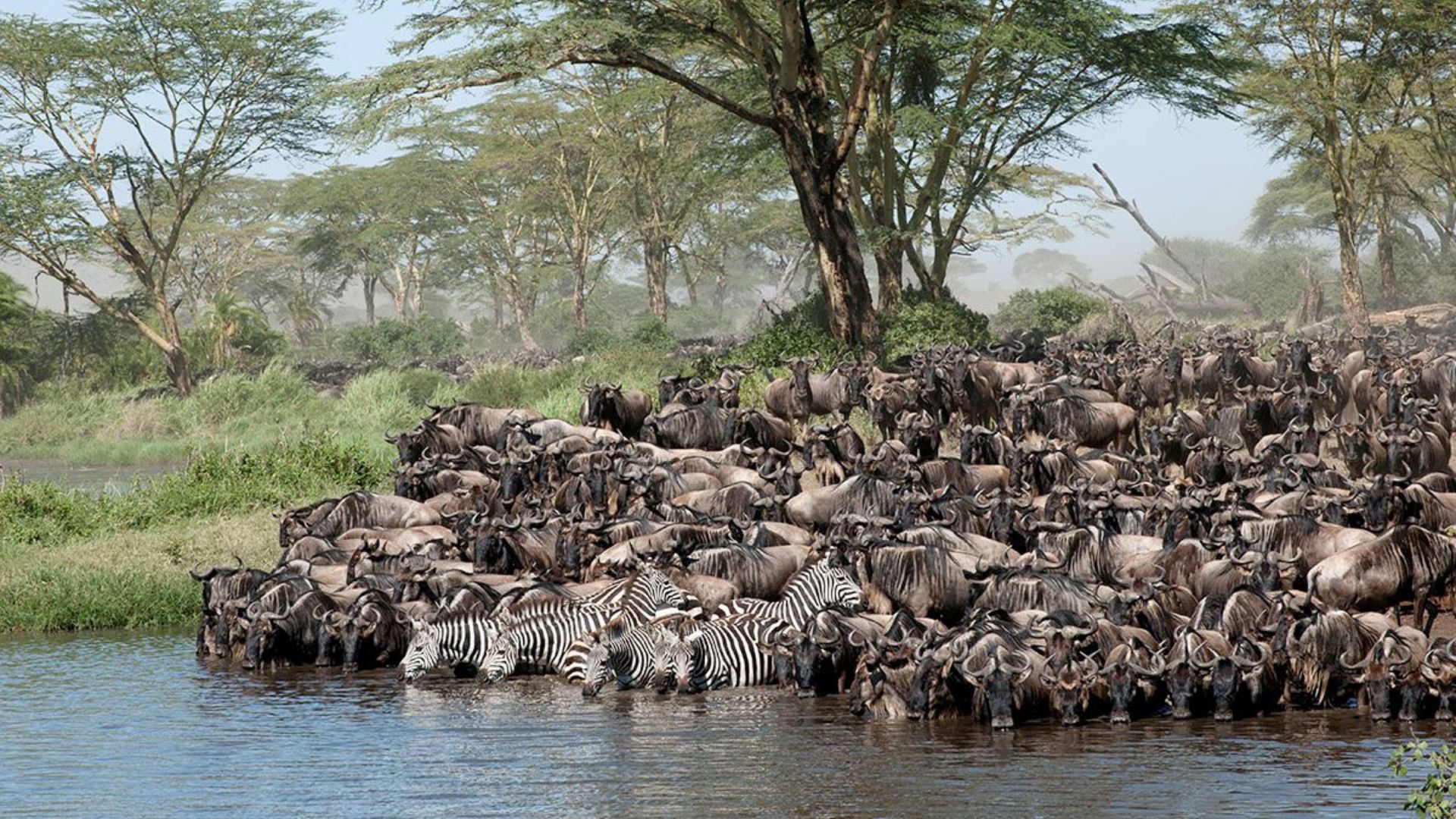
Five days tracking the migration to the Grumeti River, then a direct flight to a Zanzibar beach resort.
View Itinerary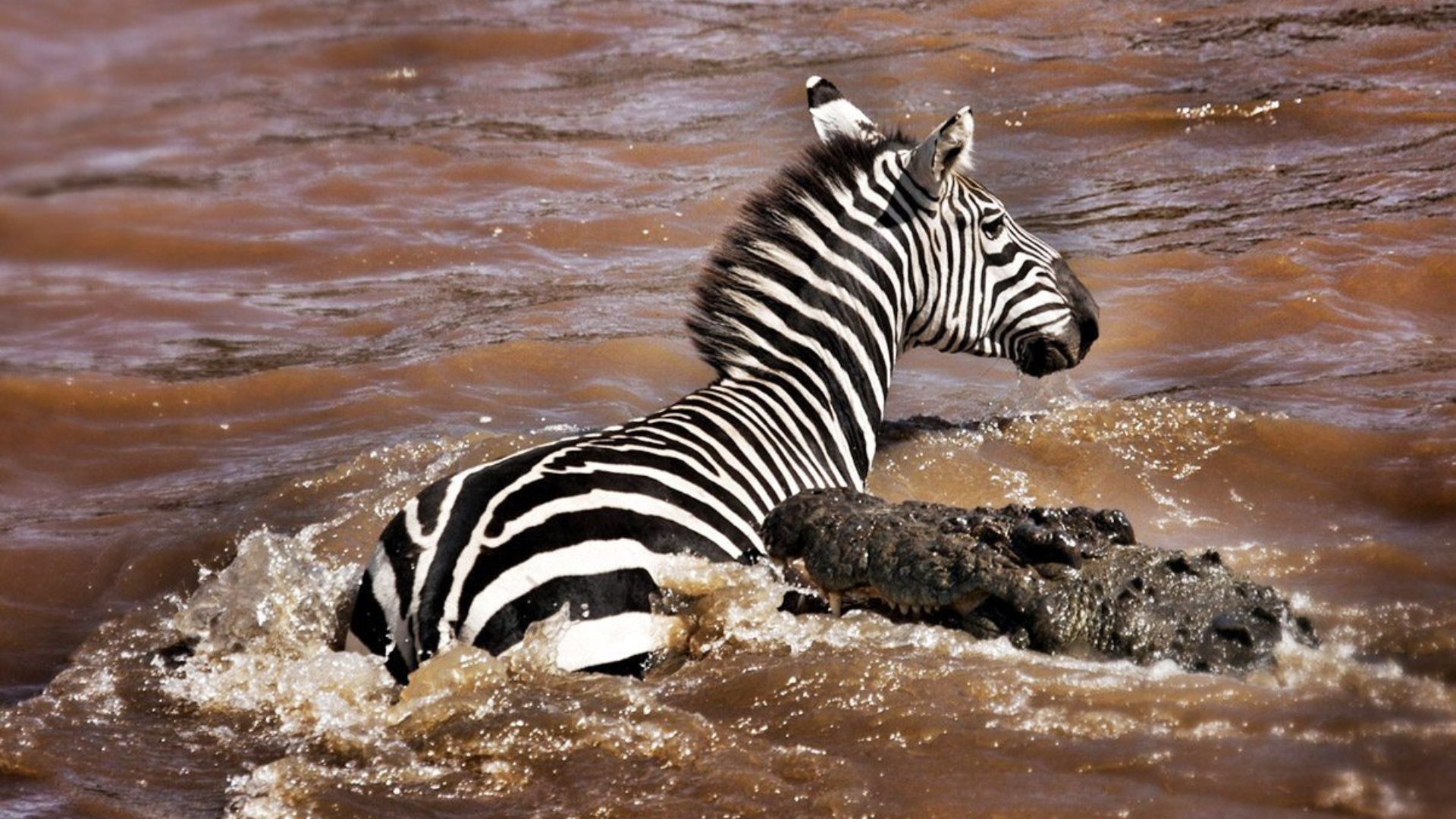
A fully fly-in itinerary to the Mara River crossings, through private concessions and a private island finish.
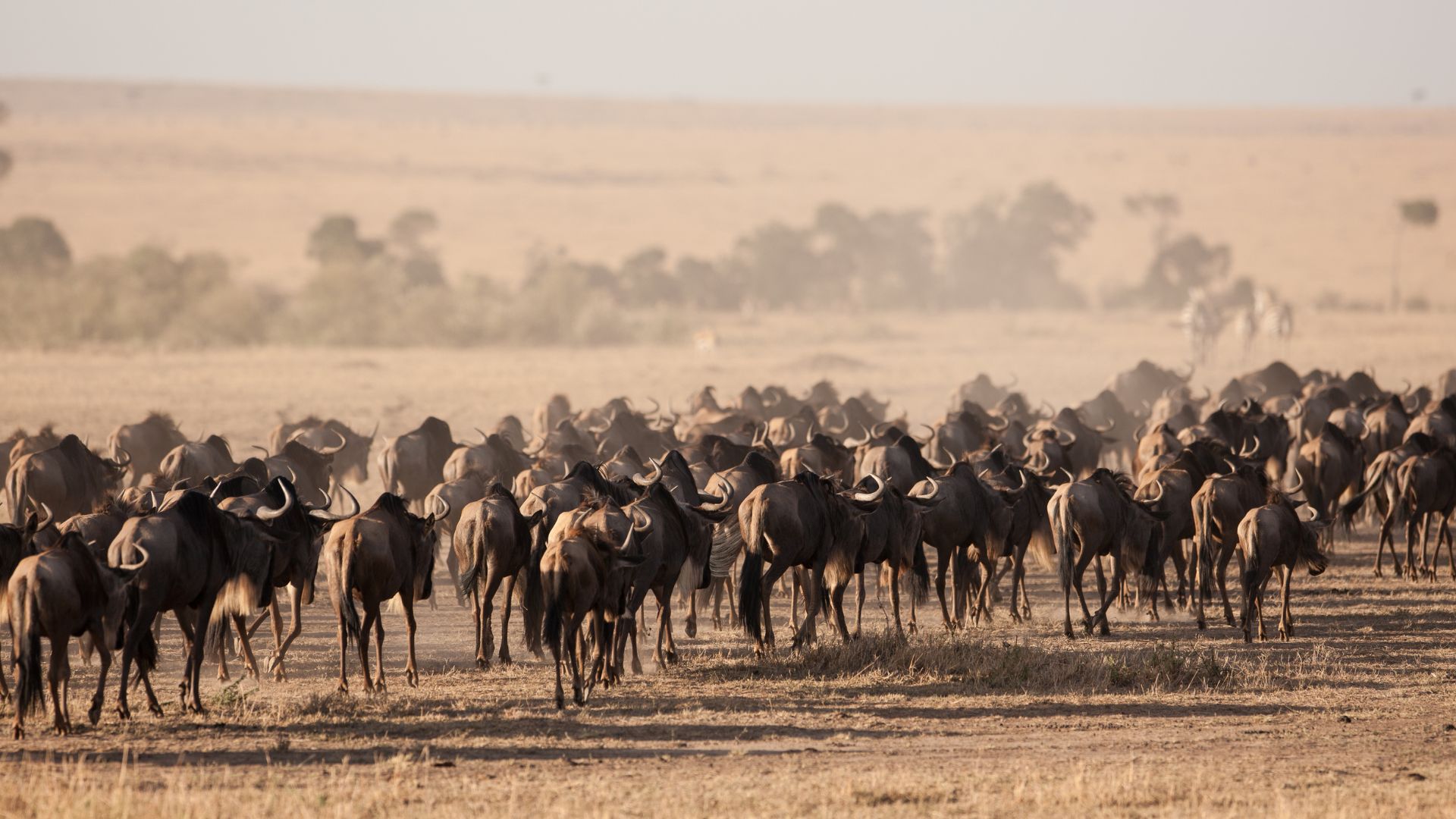
View ItineraryThe Great Migration is widely regarded as one of the grandest wildlife spectacles on the planet. Each year, over 1.5 million wildebeest, accompanied by hundreds of thousands of zebras and gazelles, embark on an endless 800-kilometer circuit across the Serengeti ecosystem in search of fresh grazing lands and water.
Because the herd is constantly moving, planning a successful Great Migration safari requires knowing where the animals are during specific months of the year.
The Mara River Crossings (August – October) — the Mara River in the Northern Serengeti is the site of the most dramatic wildlife moments on Earth. Herds gather by the thousands on steep riverbanks, hesitating for hours before a single wildebeest leaps into fast-flowing water filled with Nile crocodiles.
The Ndutu Calving Season (January – March) — in the nutrient-rich short-grass plains of Ndutu, female wildebeest give birth almost simultaneously, bringing high concentrations of big cats taking advantage of vulnerable newborn calves.
The migration is a continuous, year-round event driven by seasonal rainfall rather than a single static occurrence.
| Timeframe | Serengeti Region | Key Wildlife Events & Highlights |
|---|---|---|
| Jan – Mar | Southern Serengeti / Ndutu | Calving Season: over 500,000 calves born within a 3-week window. Unmatched predator activity. |
| Apr – May | Central Serengeti (Seronera) | The Trek North: heavy rainfall turns the plains lush; large moving herds move northwest through the central corridor. |
| Jun – Jul | Western Corridor / Grumeti River | First River Crossings: herds gather along the Grumeti River, facing giant Nile crocodiles. |
| Aug – Oct | Northern Serengeti (Kogatende) | Mara River Crossings: iconic, dramatic river crossings into the Maasai Mara and back. Peak safari season. |
| Nov – Dec | Eastern & Central Serengeti | The Return South: short rains prompt herds to march back south toward the calving grounds. |
Arrive at Kilimanjaro (JRO). Rest and prep at an Arusha lodge.
Drive to Tarangire to explore baobab-lined landscapes and large elephant herds.
Morning descent into the Ngorongoro Crater floor for high-density predator and rhino viewing.
Morning bush flight to Kogatende Airstrip. Afternoon game drive along the Mara River.
Two full days dedicated to tracking big herds, waiting at designated crossing points, and exploring the Lamai Wedge.
Fly back to Arusha for your international return flight, or continue to Zanzibar for a beach extension.
Unlike most safaris, "best time" for the Great Migration means matching your dates to where the herd actually is — see the month-by-month table above. Broadly: August to October for the dramatic Mara River crossings and peak safari season; January to March for the Ndutu calving season and its intense predator activity.
While wildlife behavior can never be 100% guaranteed, spending 3 to 4 days in Kogatende between August and September with an experienced private driver-guide gives you the highest probability of witnessing a crossing.
Mobile camps are canvas-tented luxury camps that relocate semi-annually to stay within close distance of the migrating herd. Permanent lodges offer solid structures and swimming pools, but may require longer drives to reach the herds during certain months.
Mid-range Great Migration safaris typically range from $450 to $750 per person per day, while luxury fly-in mobile camp safaris range from $900 to $1,800+ per person per day, including internal flights, park fees, a private guide, and full-board accommodation.
Dates, pace, and what matters most — we'll turn it into a private itinerary within one working day.