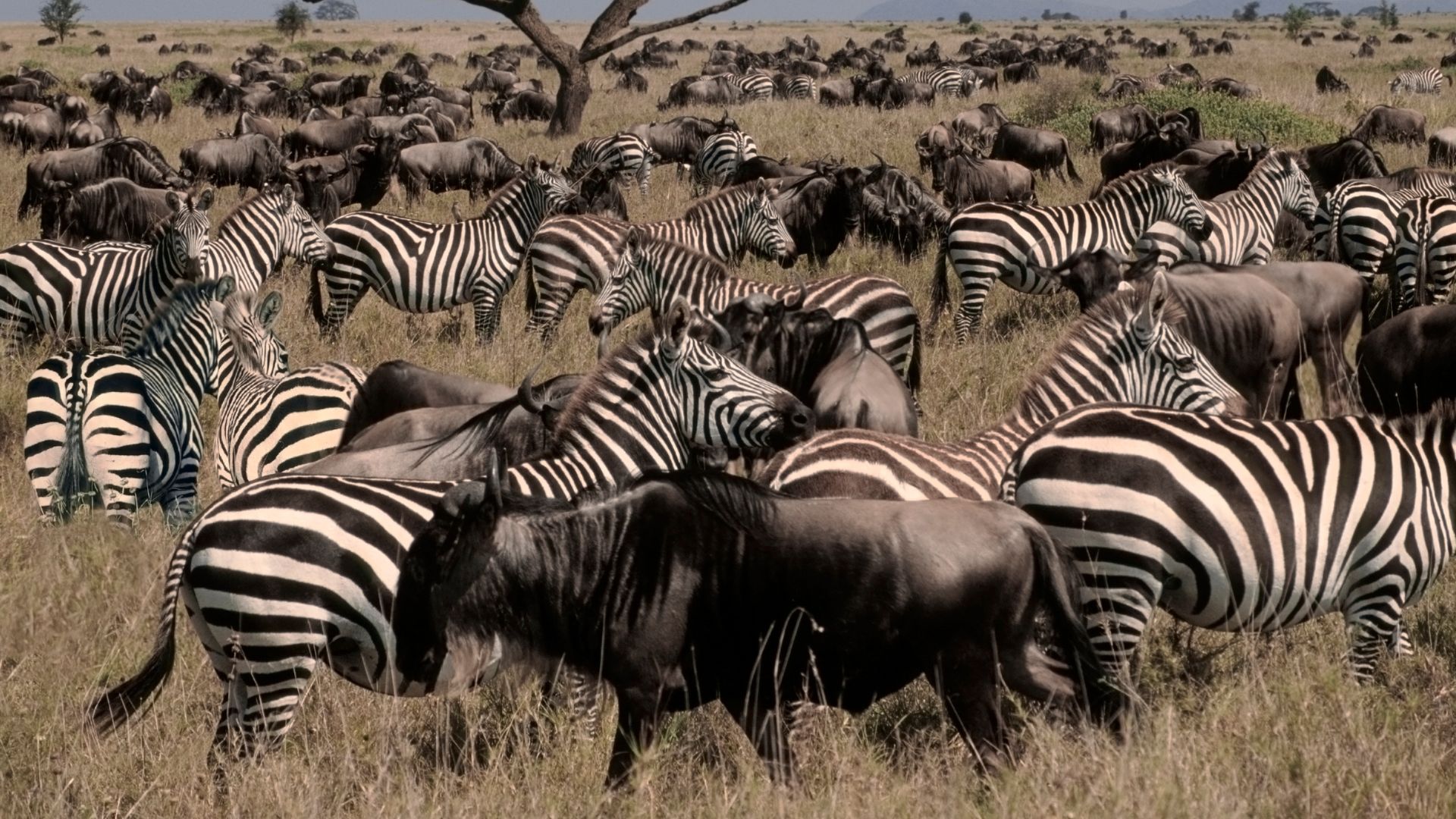
The Serengeti is what most people picture when they imagine Africa — endless grassland, scattered acacia, and some of the highest wildlife densities anywhere on the continent.
| Feature | Details |
|---|---|
| Location | Northern Tanzania (bordering Kenya's Maasai Mara) |
| Park Size | 14,750 km² (5,700 sq mi) |
| Name Origin | Derived from the Maasai word Siringet ("Endless Plains") |
| UNESCO Status | World Heritage Site since 1981 |
| Key Wildlife | Big Five, cheetahs, hippos, crocodiles |
| Main Access | Road drive from Arusha (7–8 hrs) or fly-in via Seronera, Kogatende, or Ndutu airstrips |
Understanding the park's distinct sectors is essential for building an accurate itinerary — each offers a unique landscape and seasonal highlight.
The year-round wildlife heartland. High concentrations of big cats — especially leopards along the Seronera River and lion prides lounging on rocky granite kopjes. Excellent for first-time visitors due to consistent resident game all 12 months.
Open short-grass plains stretching toward the Ngorongoro Conservation Area. Calving season (January to March) sees over 500,000 wildebeest calves born here within a 2–3 week period, driving intense predator interaction.
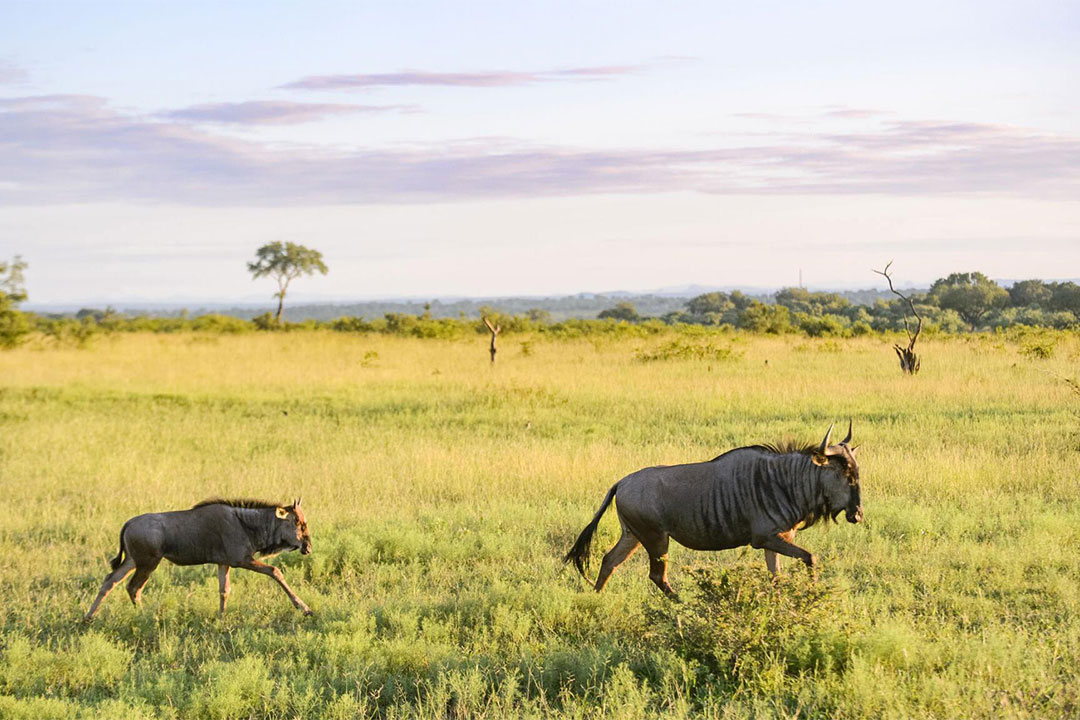
Riverine forests and valley savannas stretching west toward Lake Victoria. The herds pass through from May to July, braving dramatic river crossings inhabited by giant Nile crocodiles.
Rolling hills, riverine forests, and remote wilderness. Famous for the Mara River crossings (July to October) — thousands of wildebeest plunging off steep banks into torrents of water, the ultimate safari spectacle.
Mobile tented camps relocate 2–3 times a year to stay directly ahead of the migrating herds. Permanent luxury tented lodges offer plunge pools and fine dining in high-density resident game zones. Public and special campsites suit adventurous, budget-conscious travelers.
Dry Season (June to October) — best overall wildlife viewing around remaining water sources and peak Mara River crossings.
Calving Season (January to March) — best for birdwatching, lush green landscapes, lower rates, and newborn wildlife.
Green Season (April to May) — the quietest period with dramatic skies and budget-friendly rates, though some dirt tracks become muddy.
The same Nanyori Tours standard of care, shared with a small group on fixed dates.
Explore Journey
A luxury family expedition into the heart of the Serengeti, with a bush flight home to spare little legs the return drive.
Explore Journey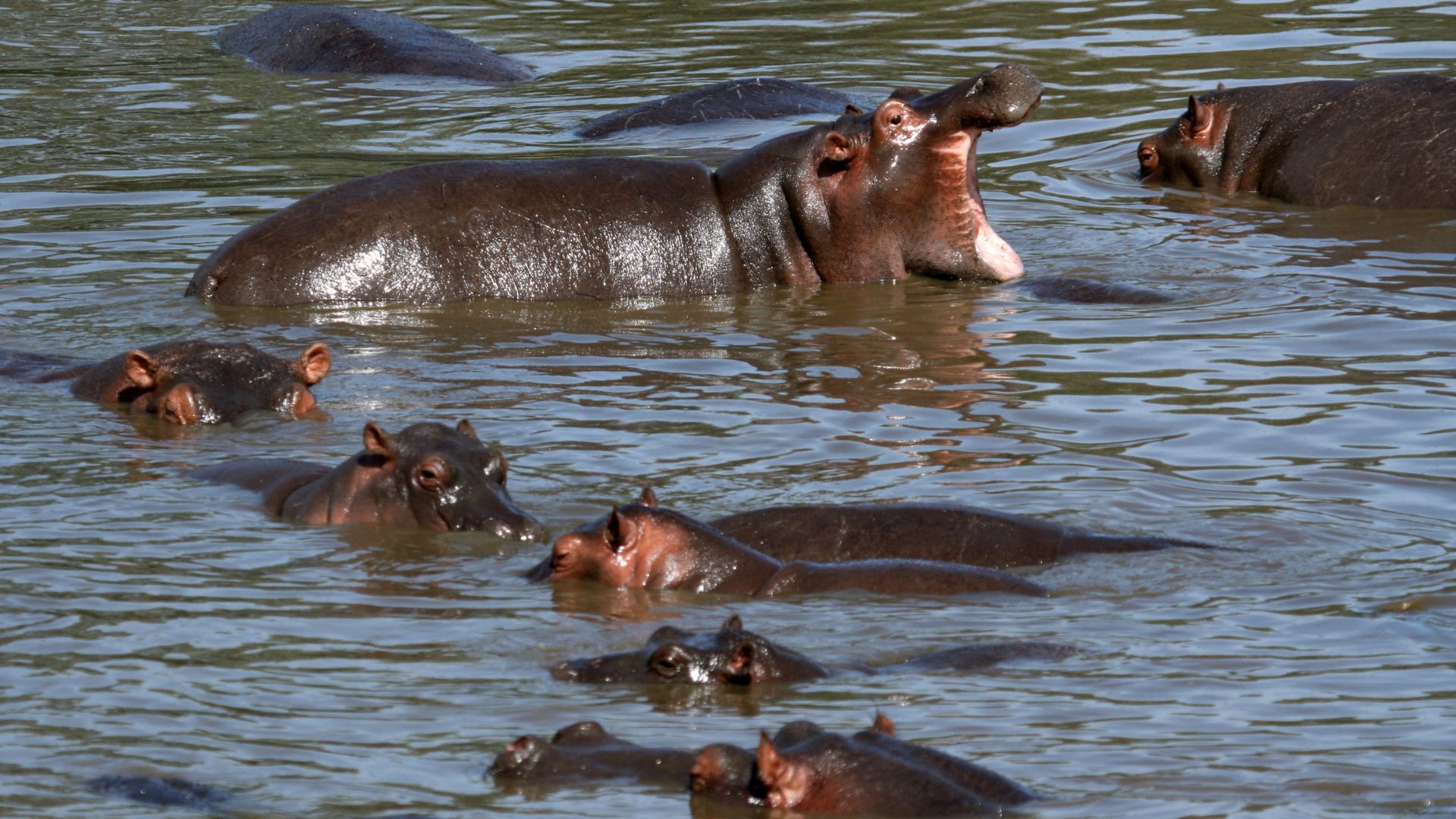
Five days of Northern Circuit game drives followed by a direct flight to Zanzibar for reef snorkelling and beach time.
Explore Journey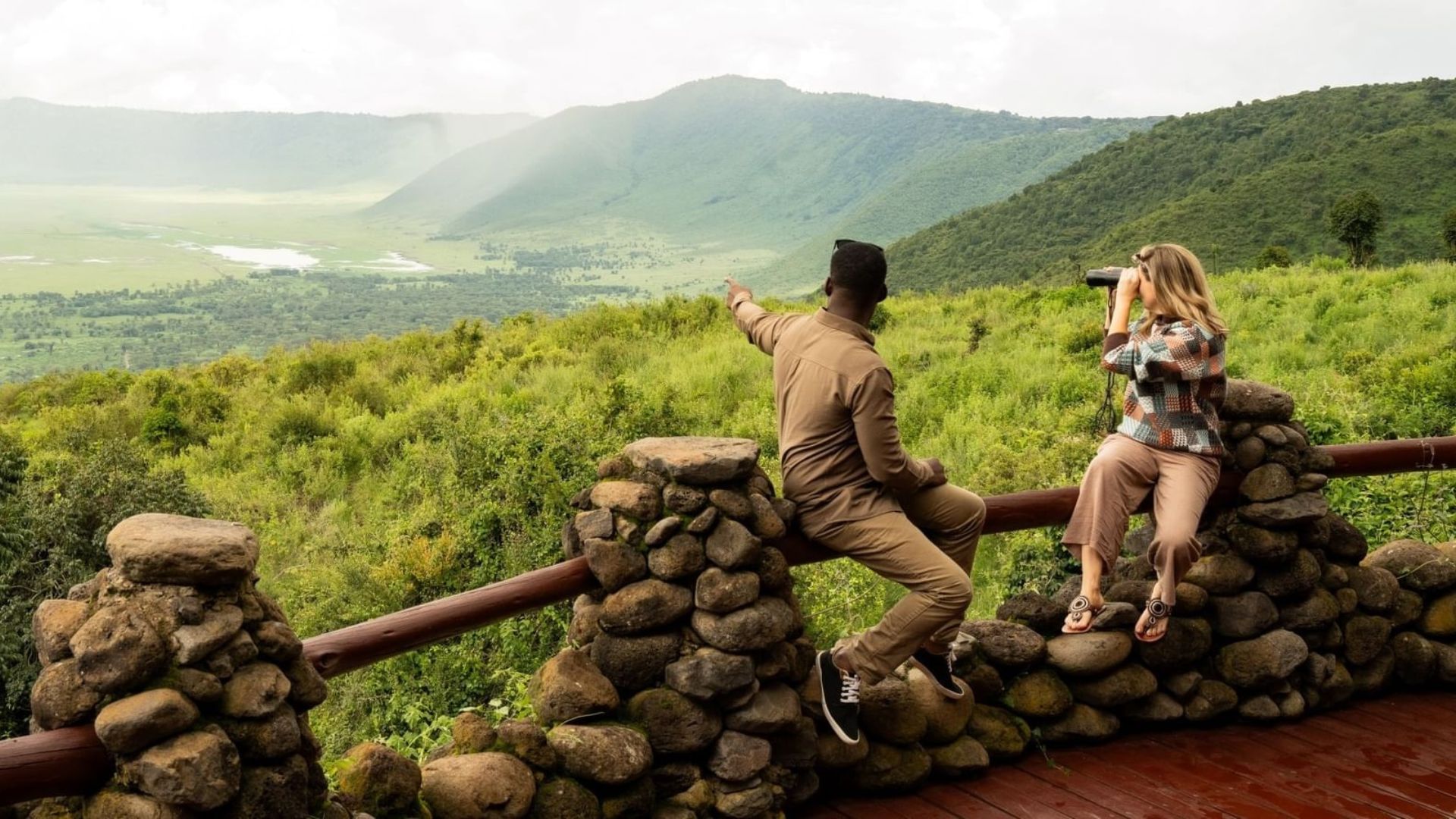
An intimate boutique-luxury circuit for couples — private sundowners, a sunrise balloon safari, and a champagne crater lunch.
Explore Journey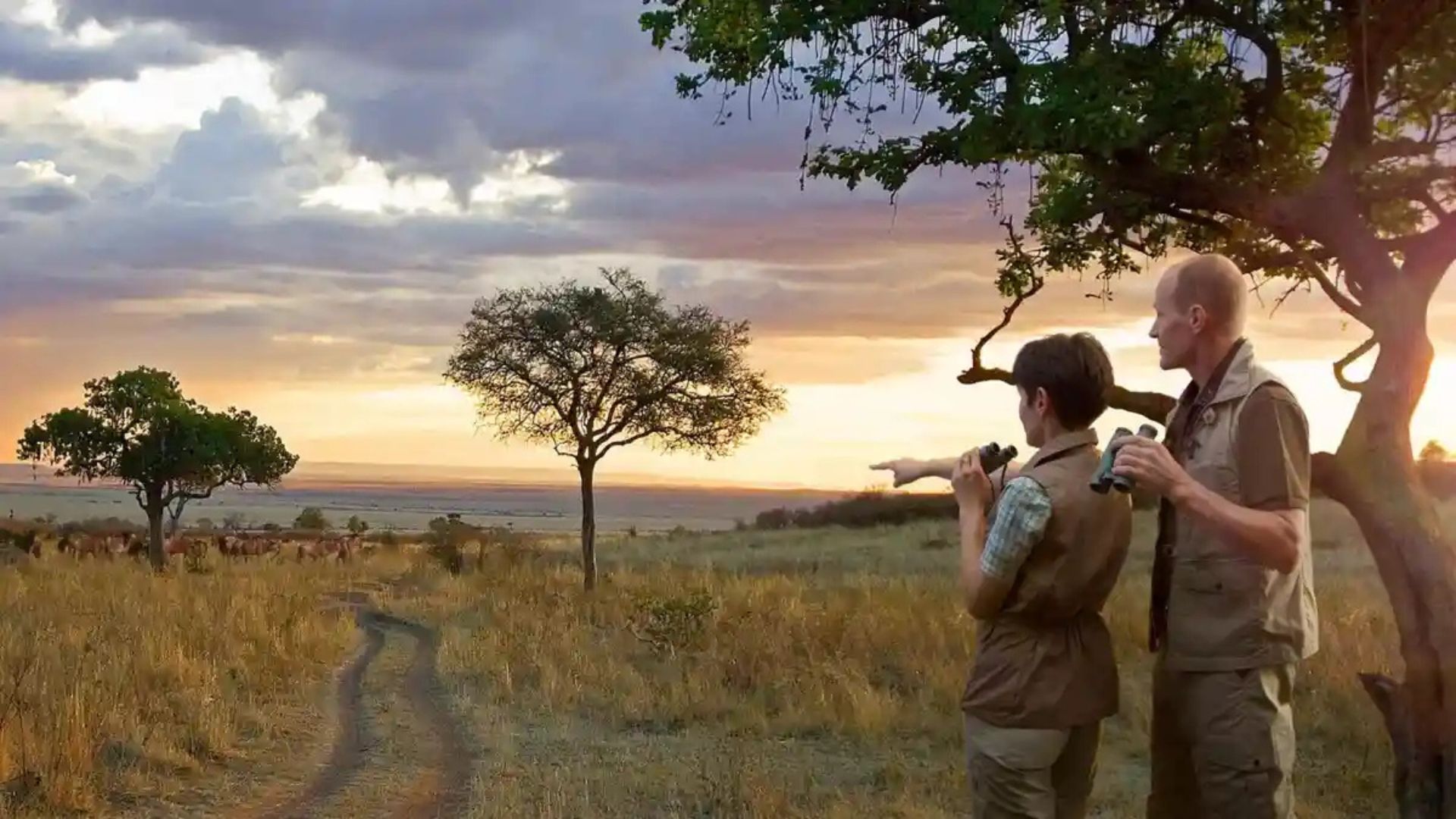
Five days of private big-cat tracking, then a direct flight to a Zanzibar beach resort with private plunge pools and dhow sunsets.
Explore Journey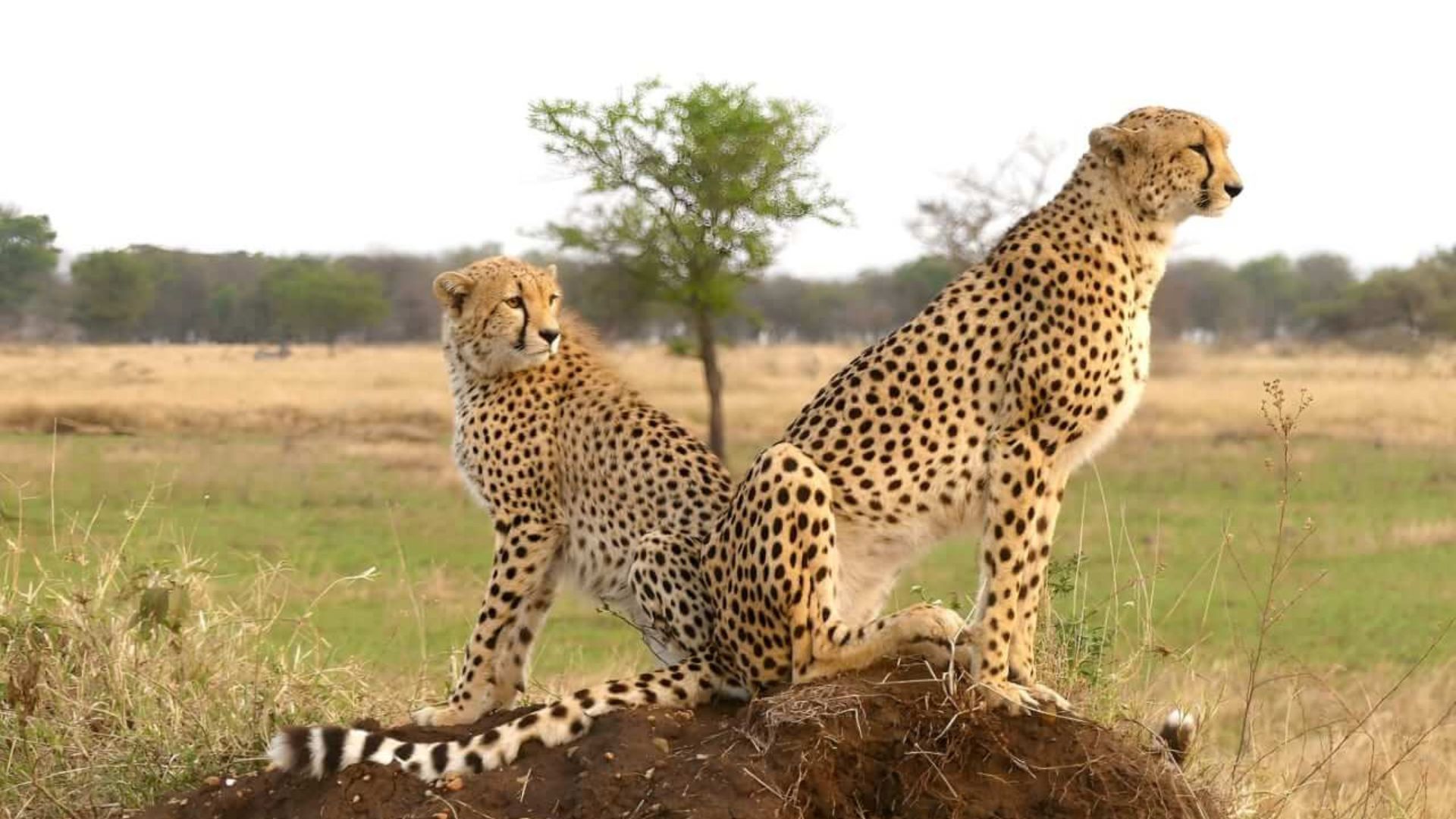
A fully fly-in itinerary through private concessions and a private island, for couples who want absolute seclusion.
Explore Journey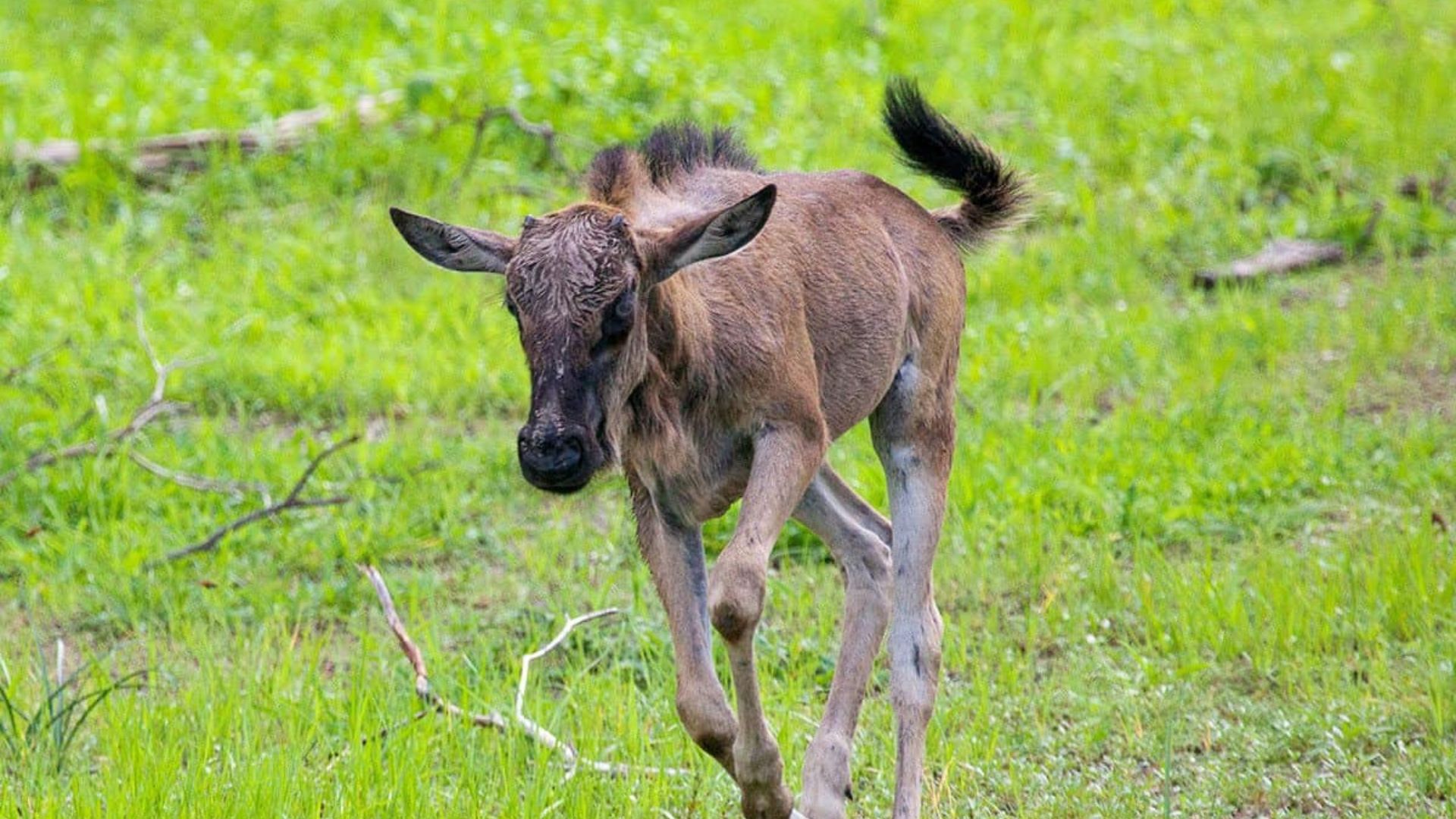
Front-row seats to the calving season on the Ndutu plains, with a sunrise balloon safari over the herds.
Explore Journey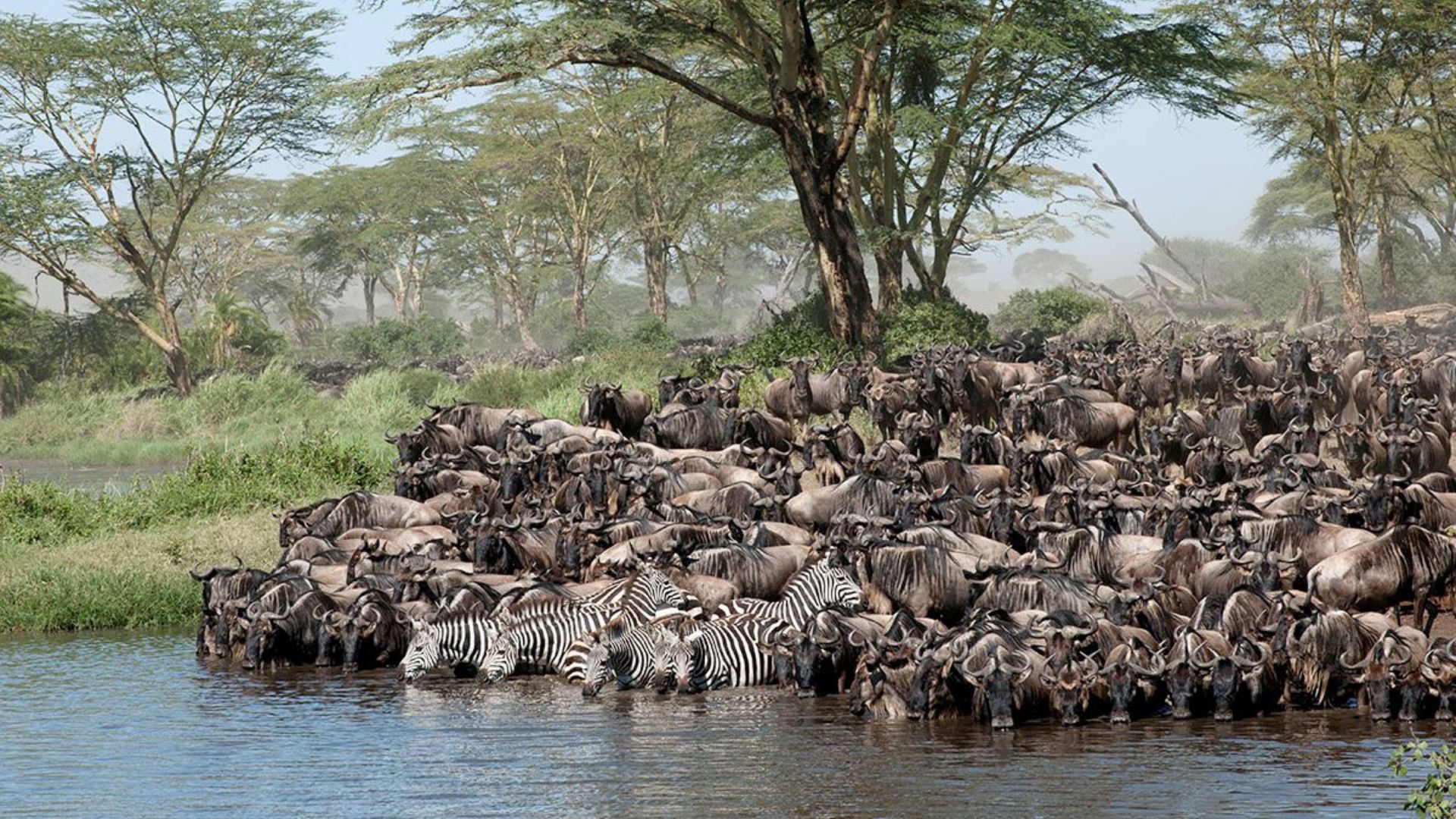
Five days tracking the migration to the Grumeti River, then a direct flight to a Zanzibar beach resort.
Explore Journey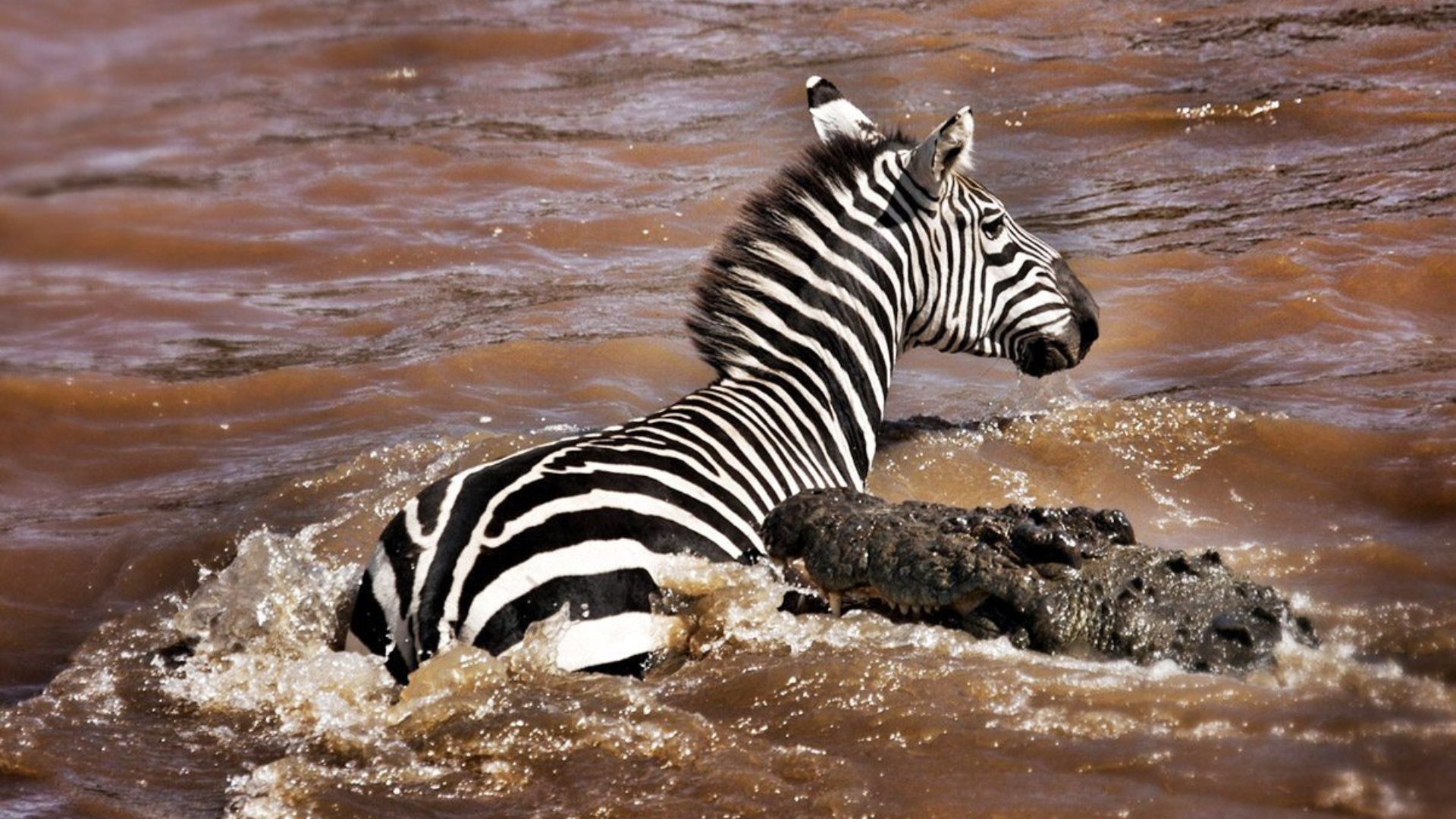
A fully fly-in itinerary to the Mara River crossings, through private concessions and a private island finish.
Explore Journey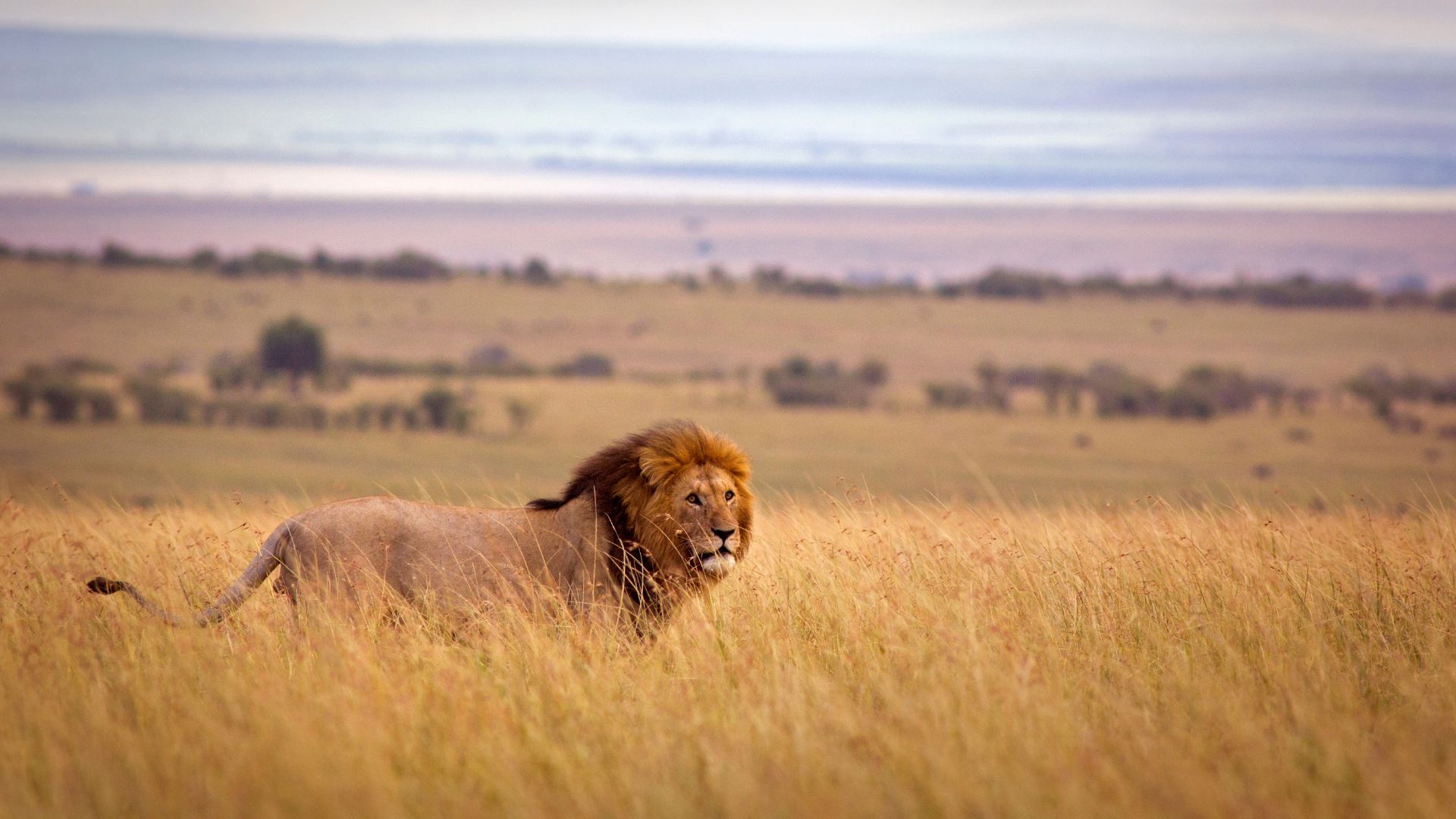
A boutique-luxury photography workshop safari — specialised vehicles, flexible golden-hour drives, and a sunrise balloon shoot.
Explore Journey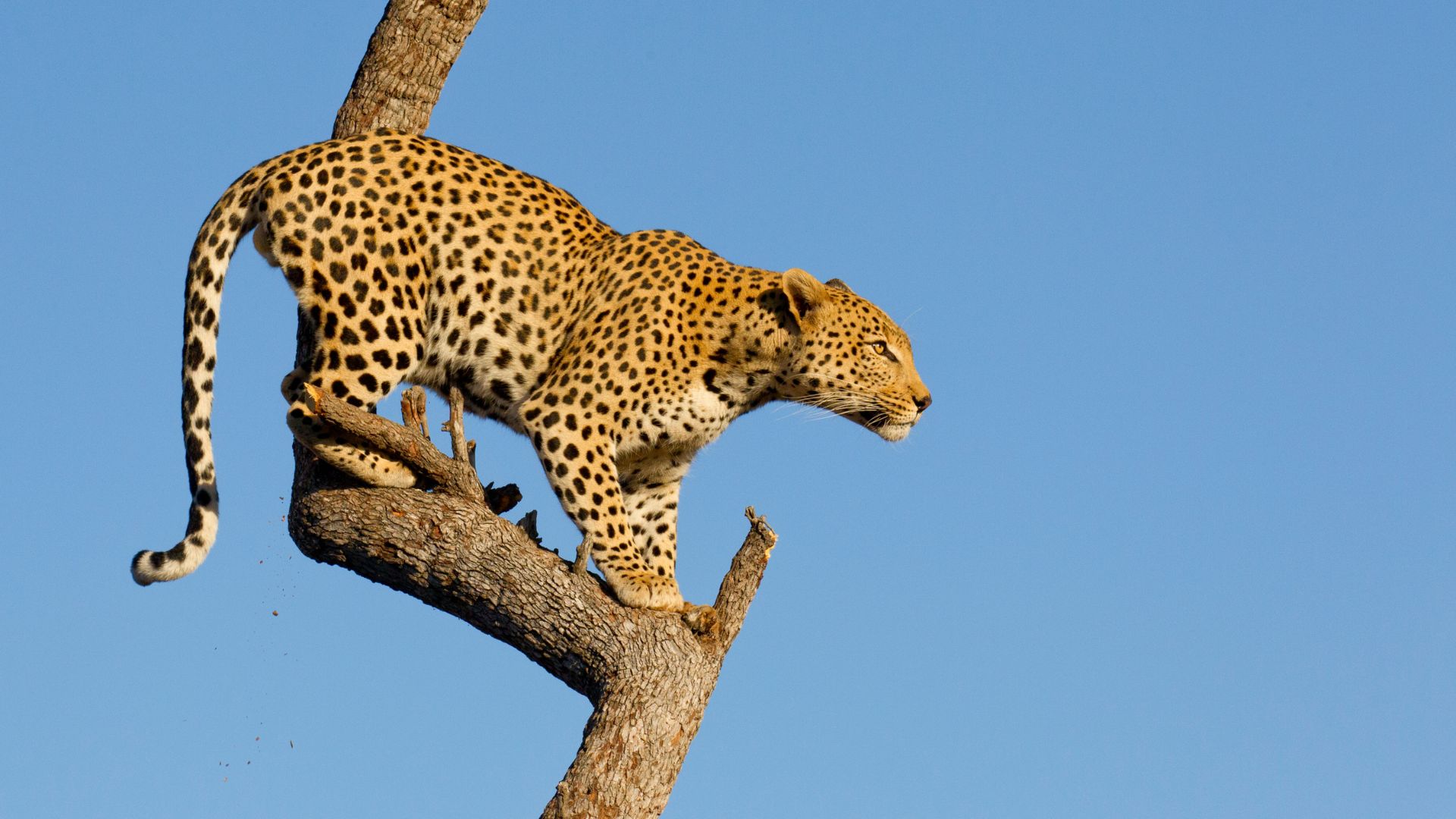
Five days of predator photography on the mainland, then a direct flight to Zanzibar for seascape and Stone Town light.
Explore Journey
A fully fly-in photography expedition through private concessions with off-road and night-drive permits, finishing on a private island.
Explore JourneyTell us your travel dates and what you're hoping to see, and we'll recommend the right route into it.