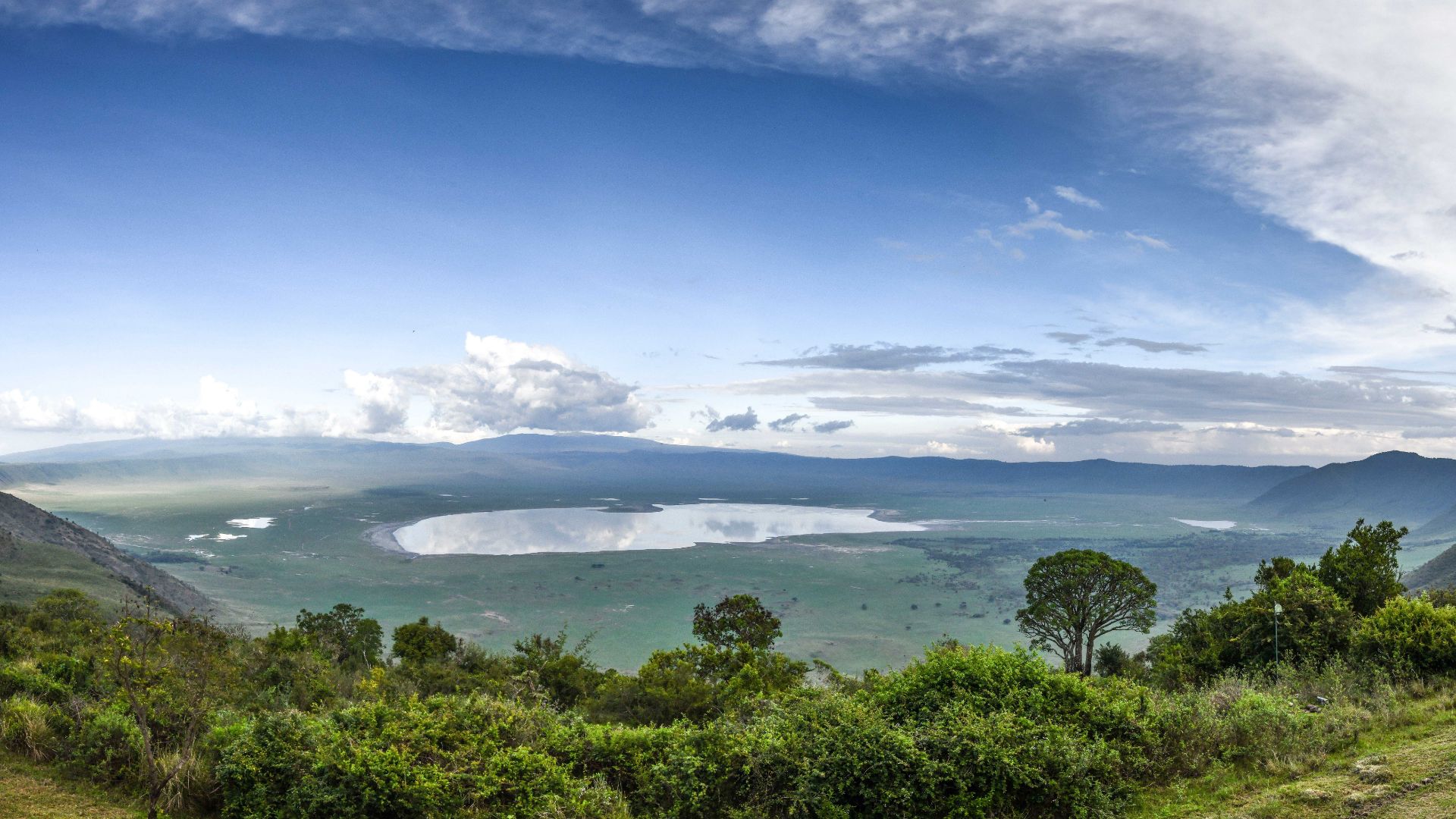
A single day on the Ngorongoro Crater floor is one of the most concentrated wildlife experiences in Africa — a self-contained ecosystem holding dense populations of nearly everything the continent is known for, within a caldera you can cross in an afternoon.
| Feature | Details |
|---|---|
| Location | Ngorongoro Conservation Area, Northern Tanzania |
| Caldera Size | 260 km² (100 sq mi), 600 meters deep |
| Name Origin | Named by Maasai pastoralists after the sound of cowbells (ngoro ngoro) |
| UNESCO Status | World Heritage Site (Natural & Cultural) |
| Key Wildlife | Endangered Black Rhino, lion, elephant, buffalo, leopard, flamingo |
| Main Access | 3–4 hour drive (180 km) from Arusha, or fly-in via Manyara Airstrip |
Inside the crater rim, several distinct ecosystems allow travelers to see a broad range of habitats in a single game drive.
Expansive open savanna surrounded by towering caldera walls. Home to vast herds of wildebeest, zebra, and gazelles, with one of the highest lion densities in Africa and one of the best chances on the continent to spot the rare Black Rhino.
A lush yellow-fever acacia woodland with a high probability of seeing old tusker bull elephants browsing the canopy, leopards taking shelter in branches, and dense birdlife.
A central, shallow soda lake attracting thousands of lesser and greater flamingos during wet months, alongside hippos wallowing in the adjacent freshwater swamps.
Best for Game Viewing (June to October) — short grass makes wildlife easy to spot as animals gather around central water sources.
Best for Birding & Scenery (November to April) — migratory birds arrive, Lake Magadi fills, and green landscapes offer dramatic photography.
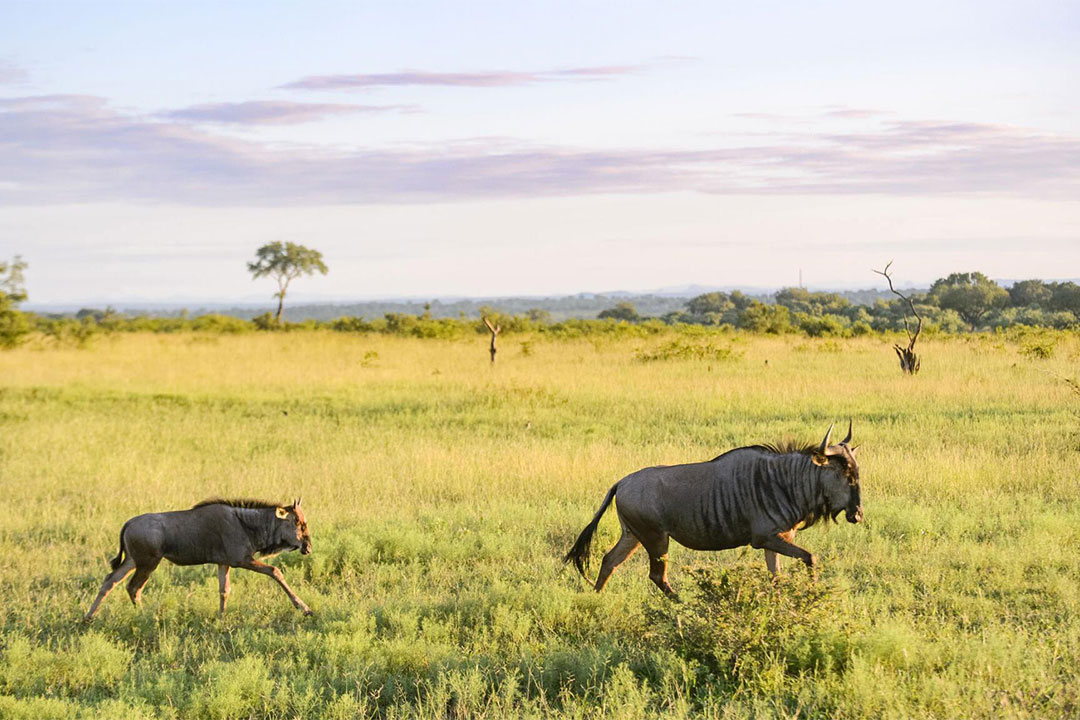
The same Nanyori Tours standard of care, shared with a small group on fixed dates.
Explore Journey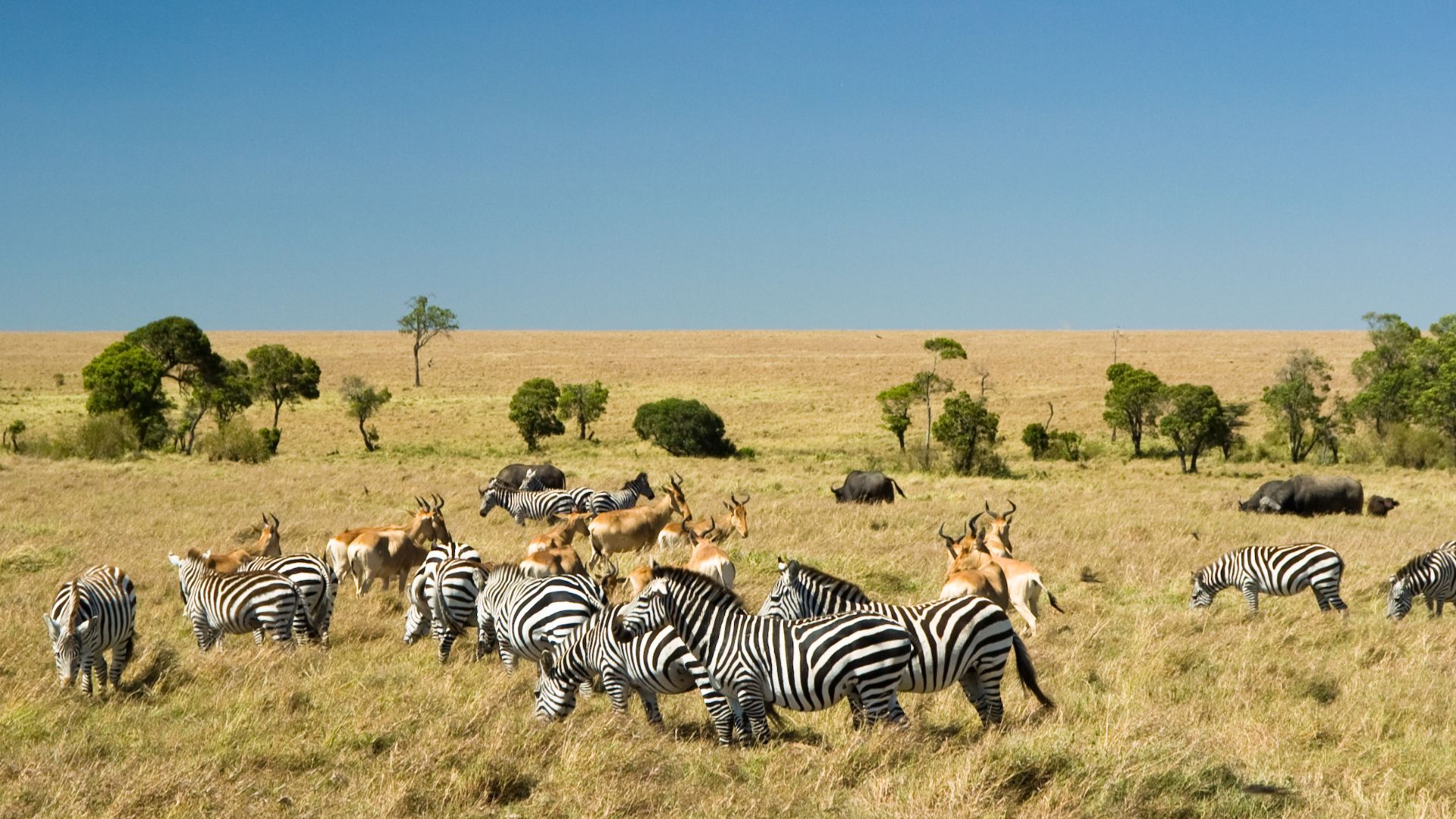
A high-impact, low-fatigue family circuit for families who want big wildlife without long transfers.
Explore Journey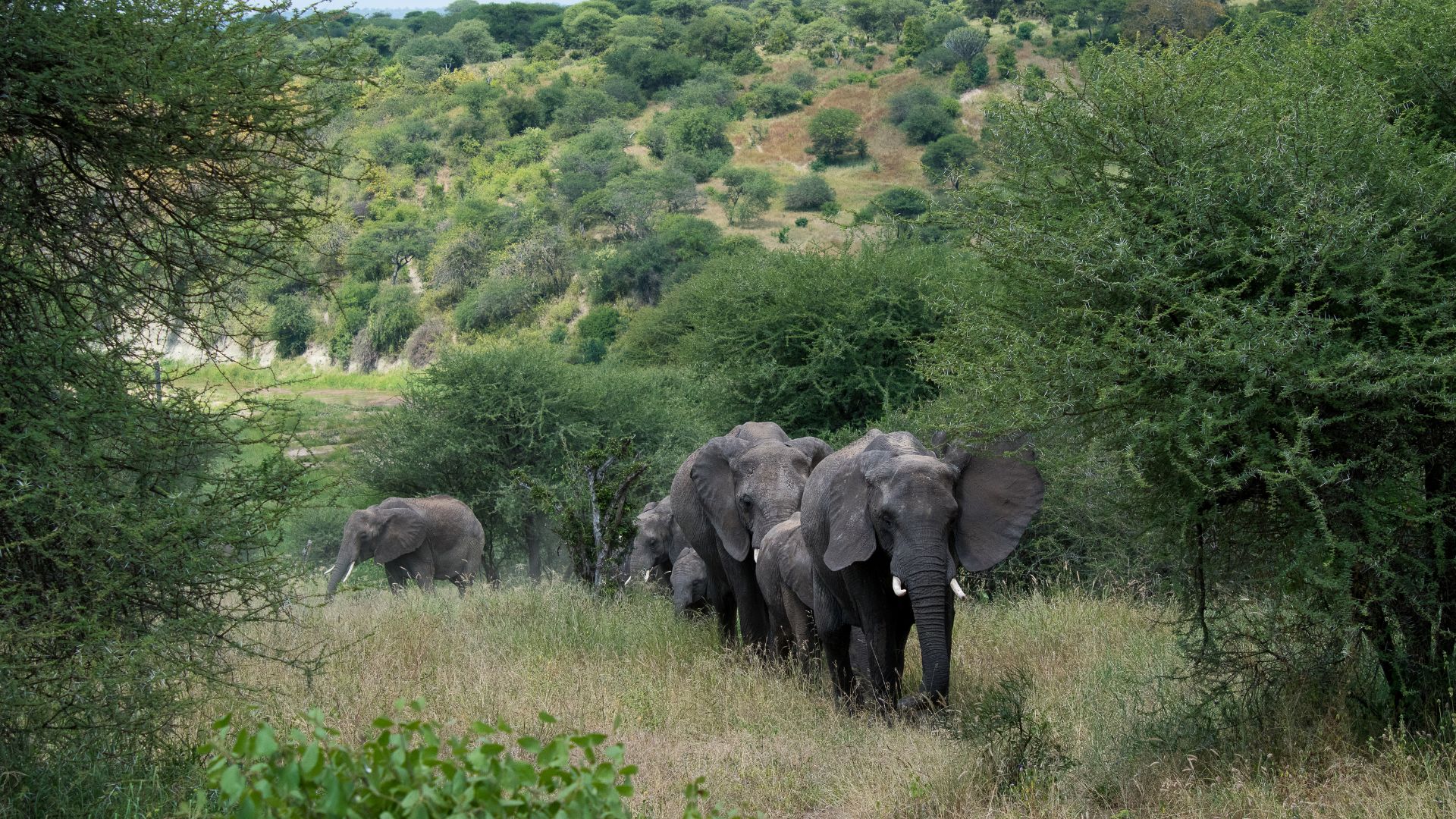
A luxury family expedition into the heart of the Serengeti, with a bush flight home to spare little legs the return drive.
Explore Journey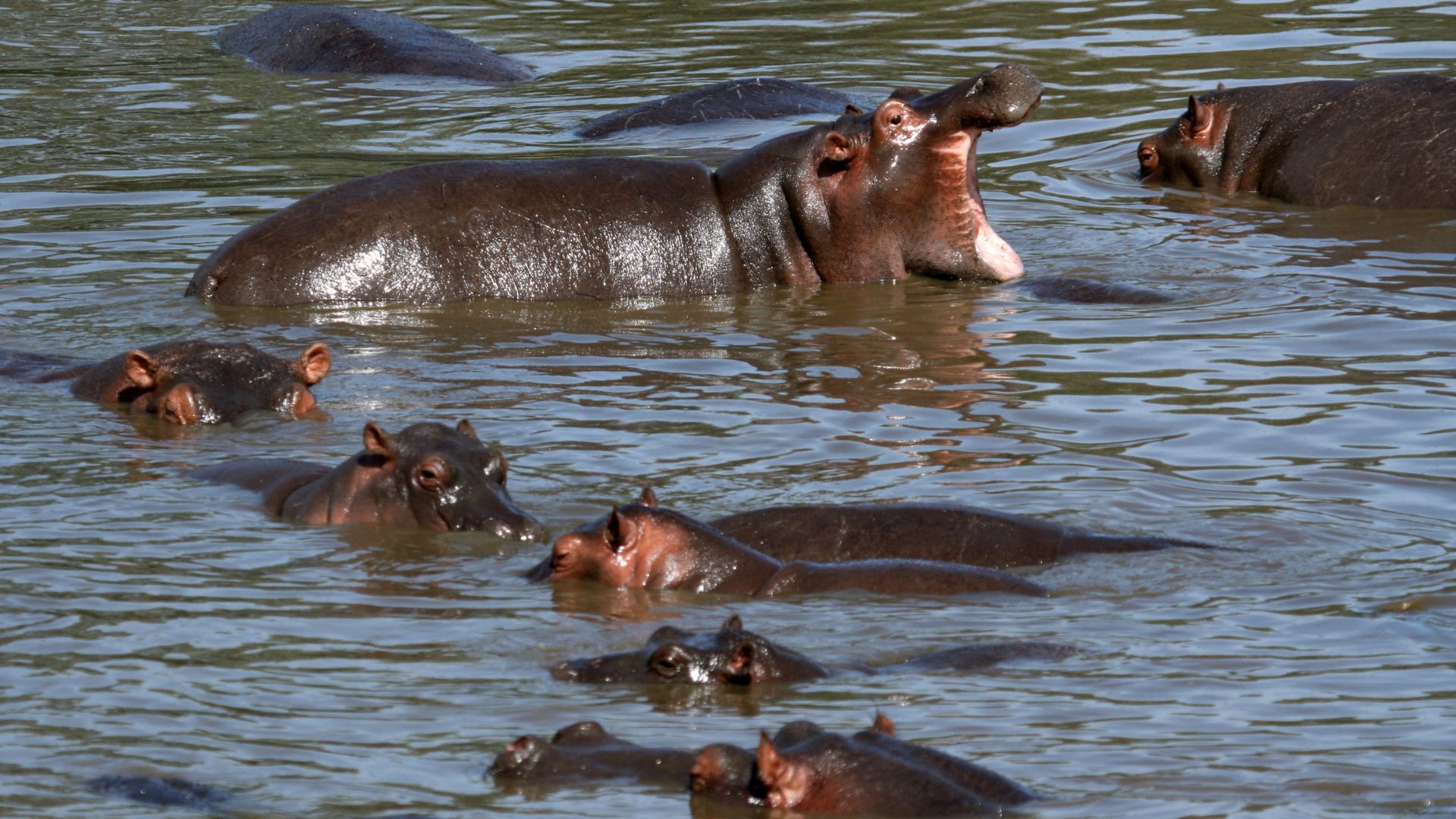
Five days of Northern Circuit game drives followed by a direct flight to Zanzibar for reef snorkelling and beach time.
Explore Journey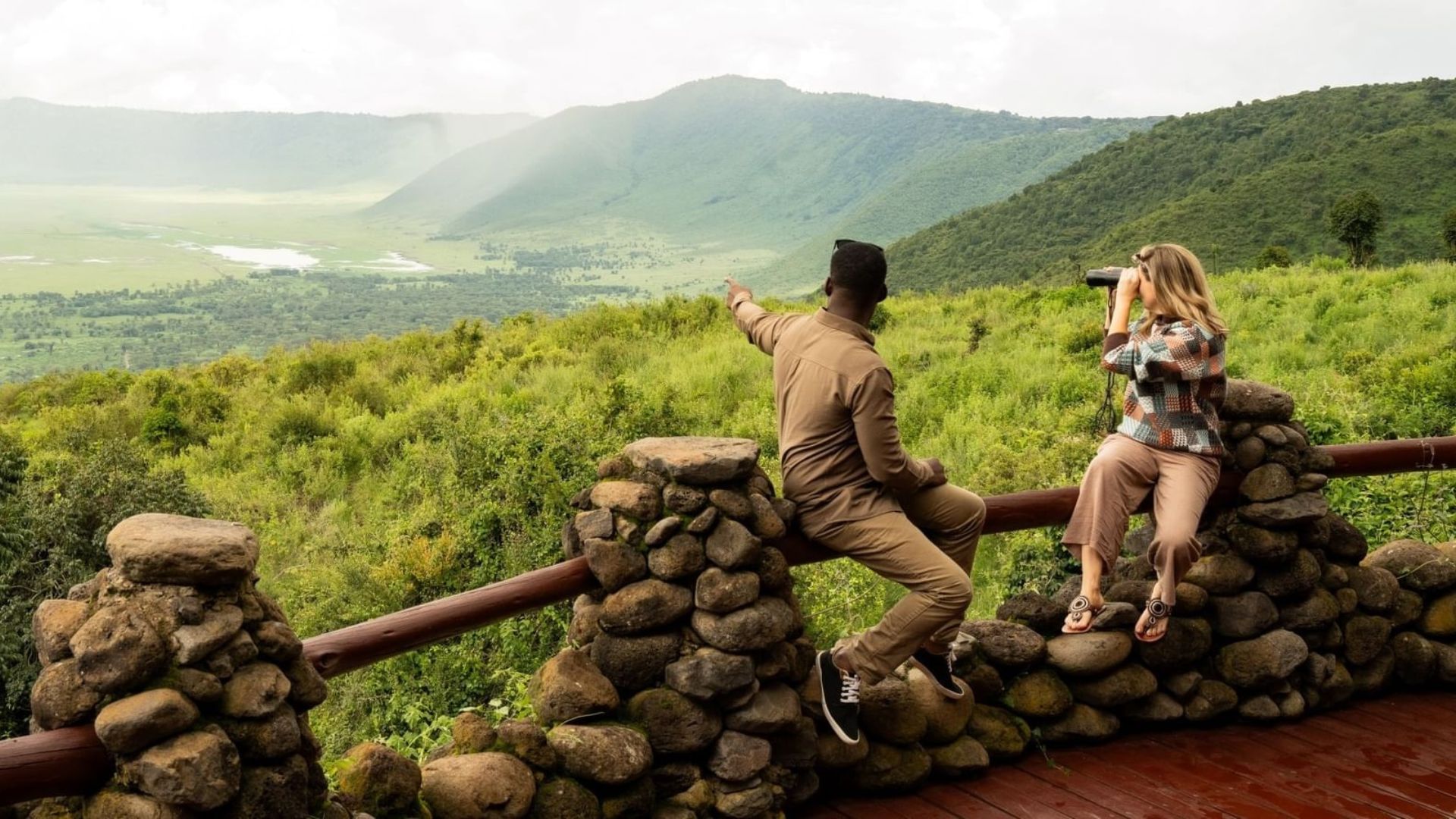
An intimate boutique-luxury circuit for couples — private sundowners, a sunrise balloon safari, and a champagne crater lunch.
Explore Journey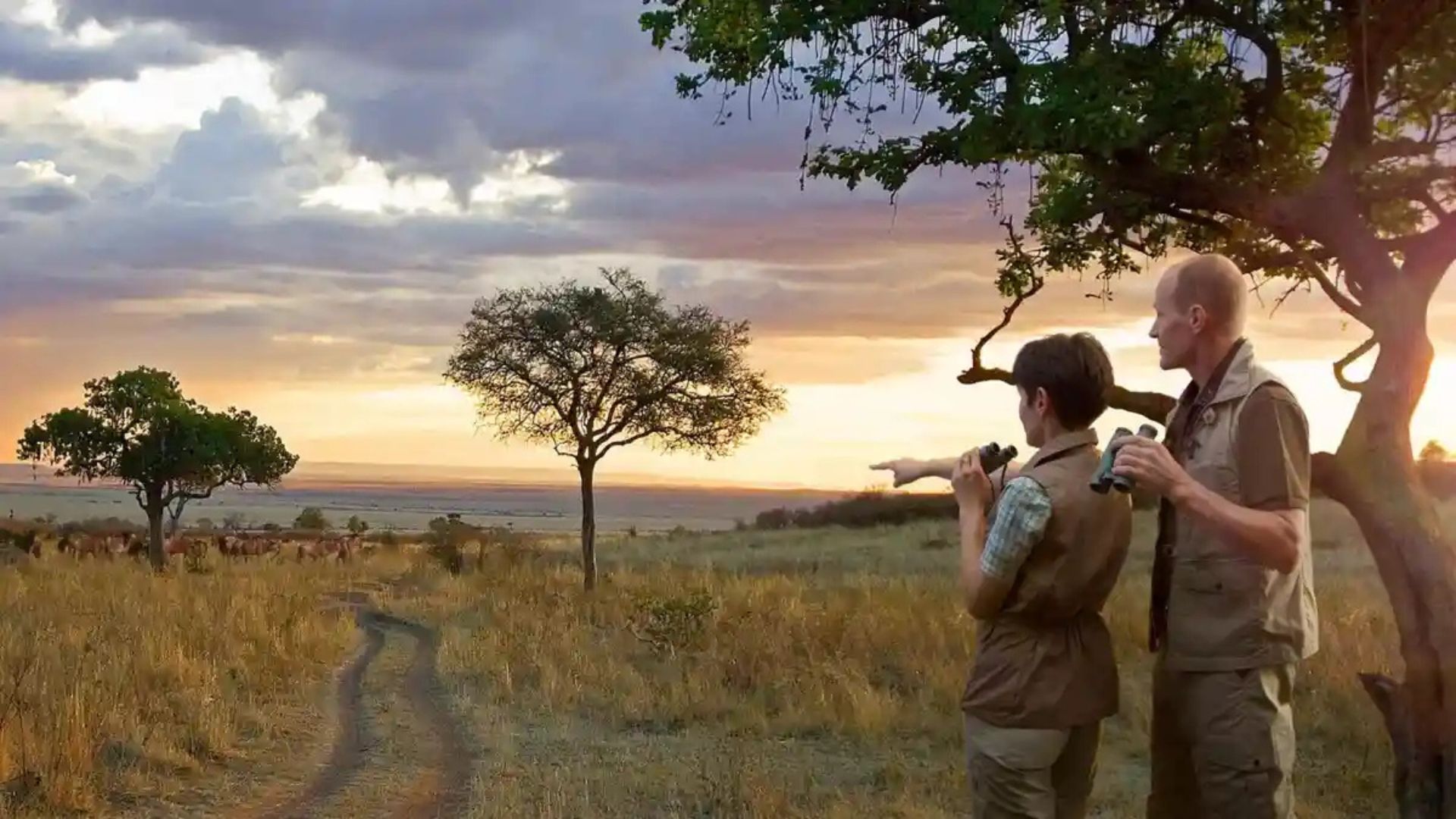
Five days of private big-cat tracking, then a direct flight to a Zanzibar beach resort with private plunge pools and dhow sunsets.
Explore Journey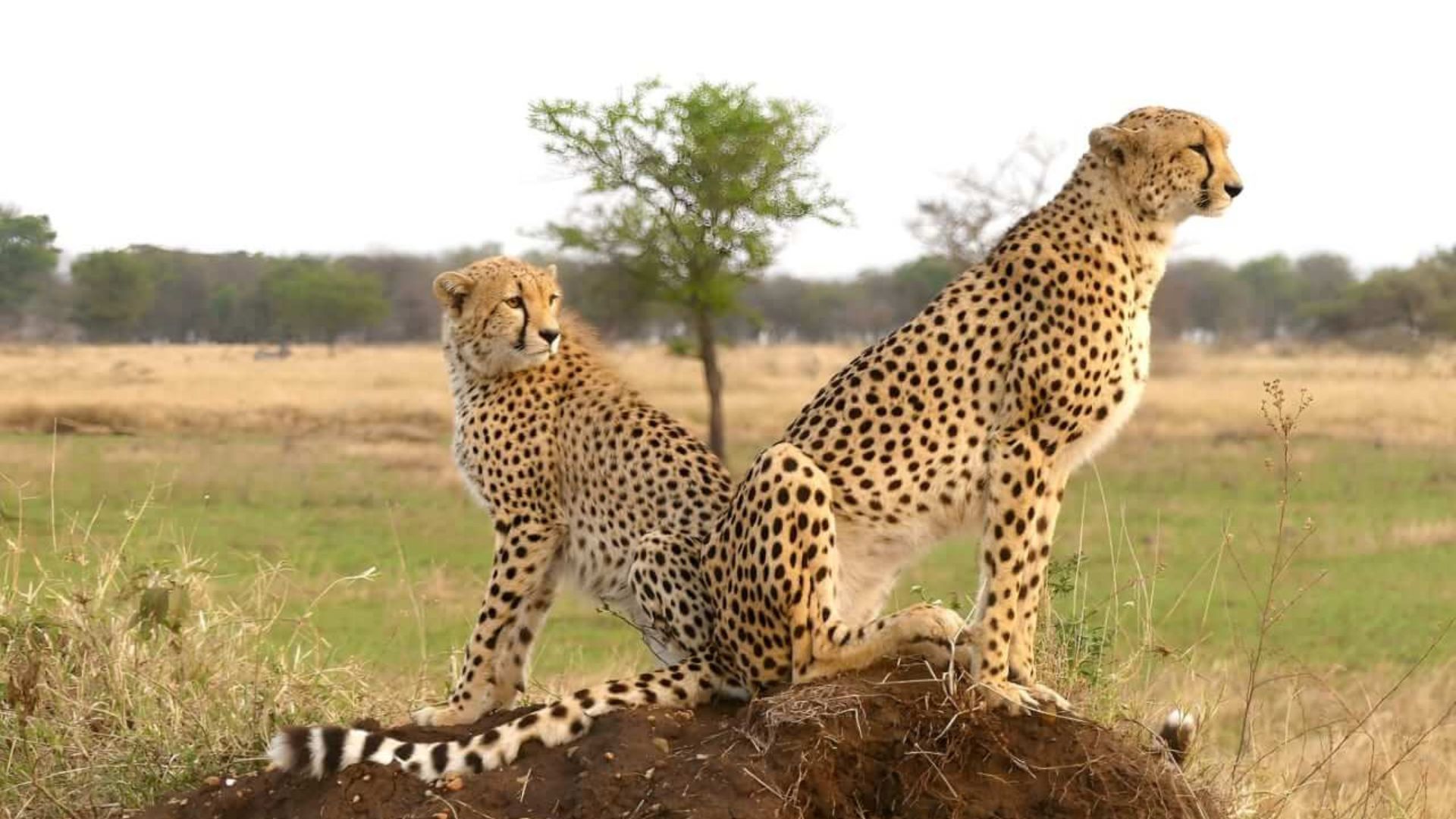
A fully fly-in itinerary through private concessions and a private island, for couples who want absolute seclusion.
Explore Journey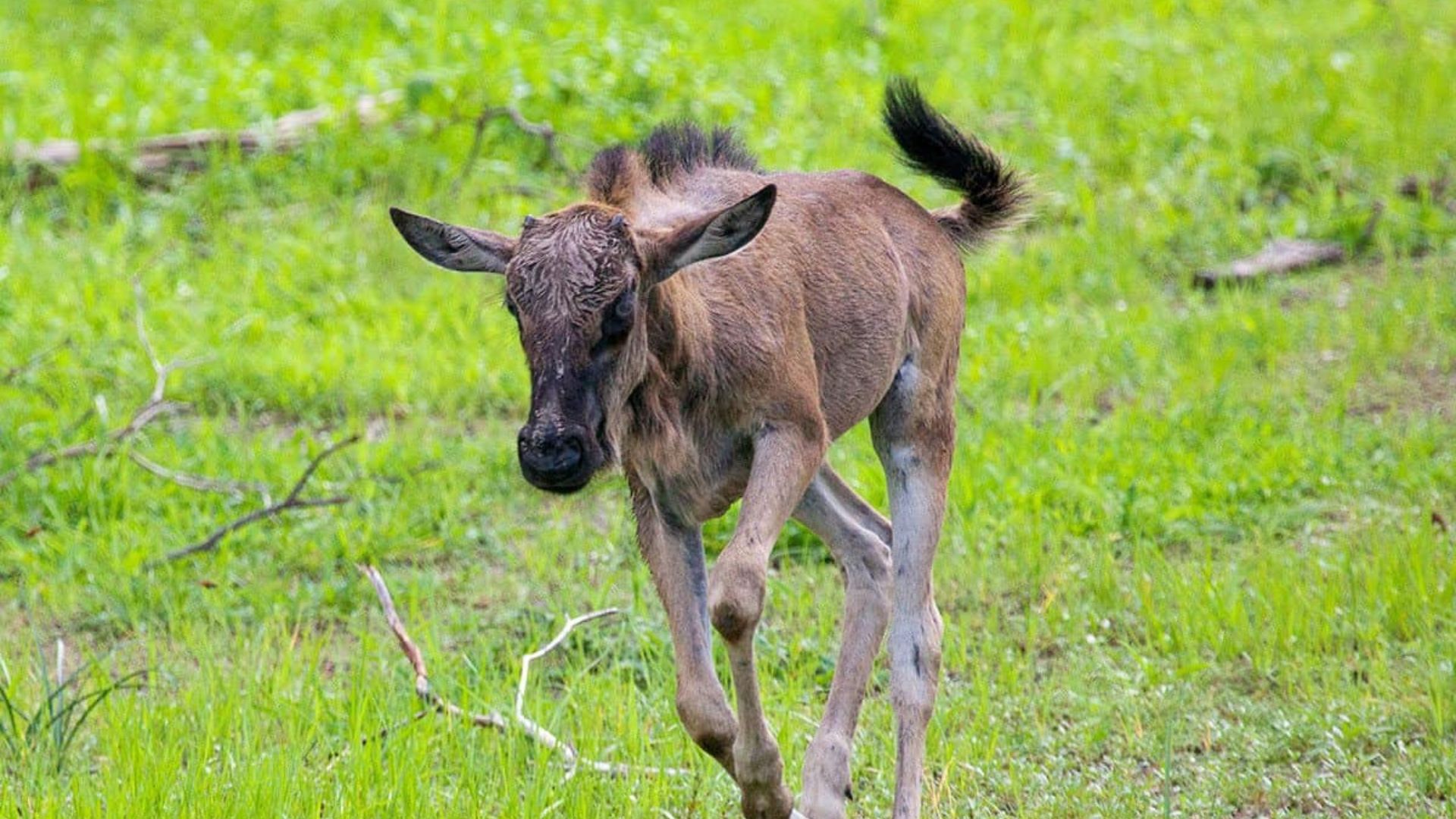
Front-row seats to the calving season on the Ndutu plains, with a sunrise balloon safari over the herds.
Explore Journey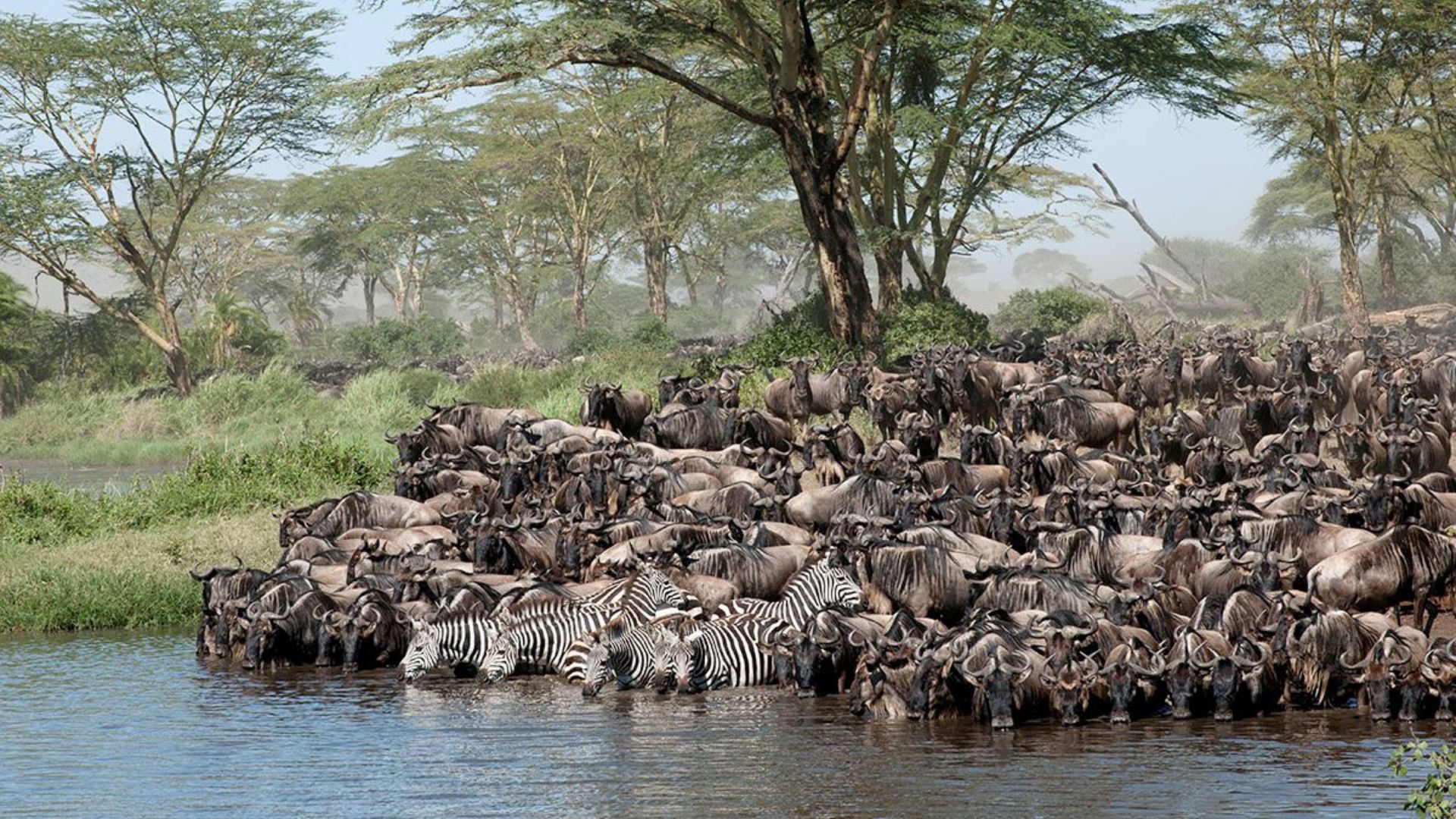
Five days tracking the migration to the Grumeti River, then a direct flight to a Zanzibar beach resort.
Explore Journey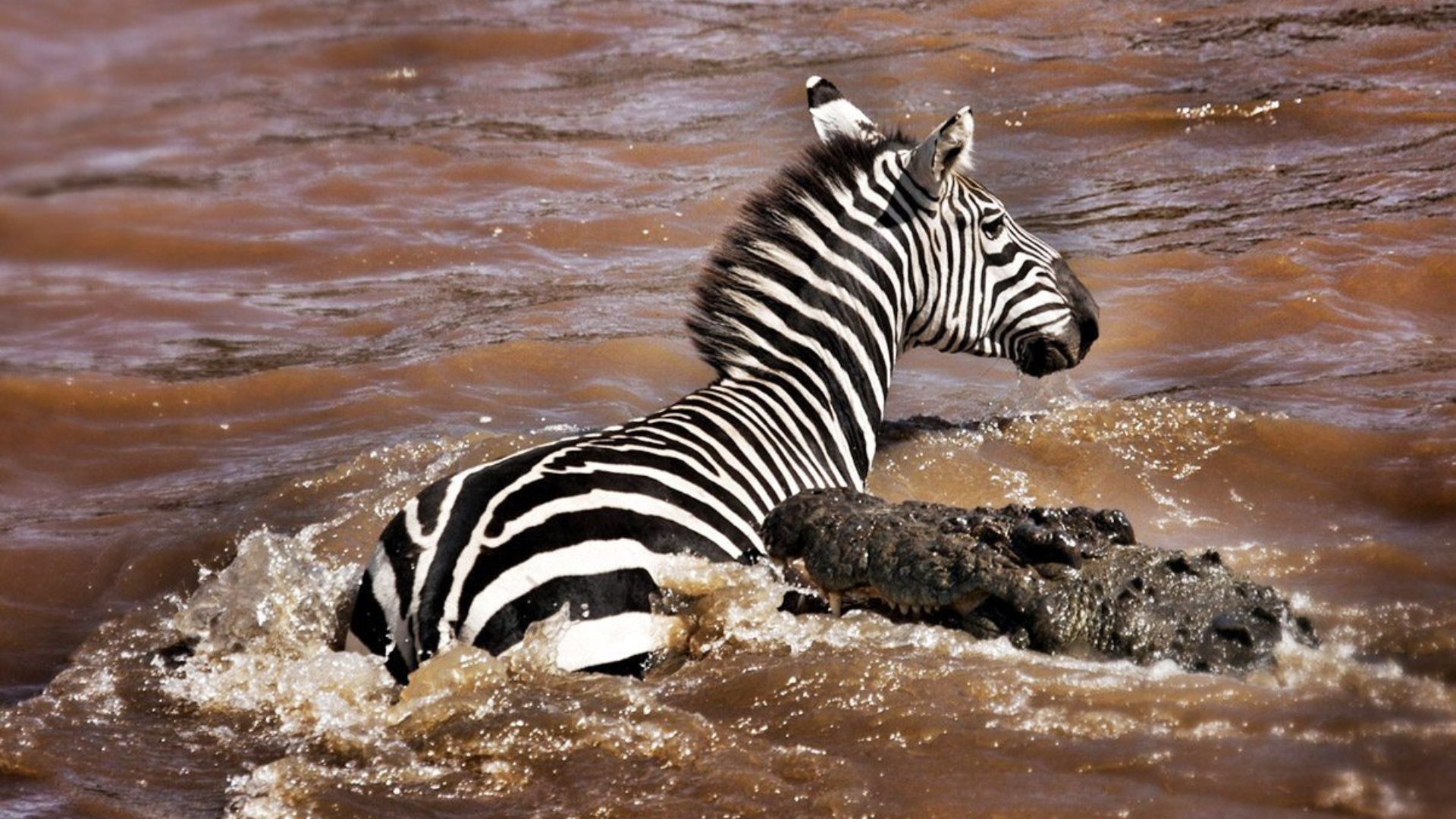
A fully fly-in itinerary to the Mara River crossings, through private concessions and a private island finish.
Explore Journey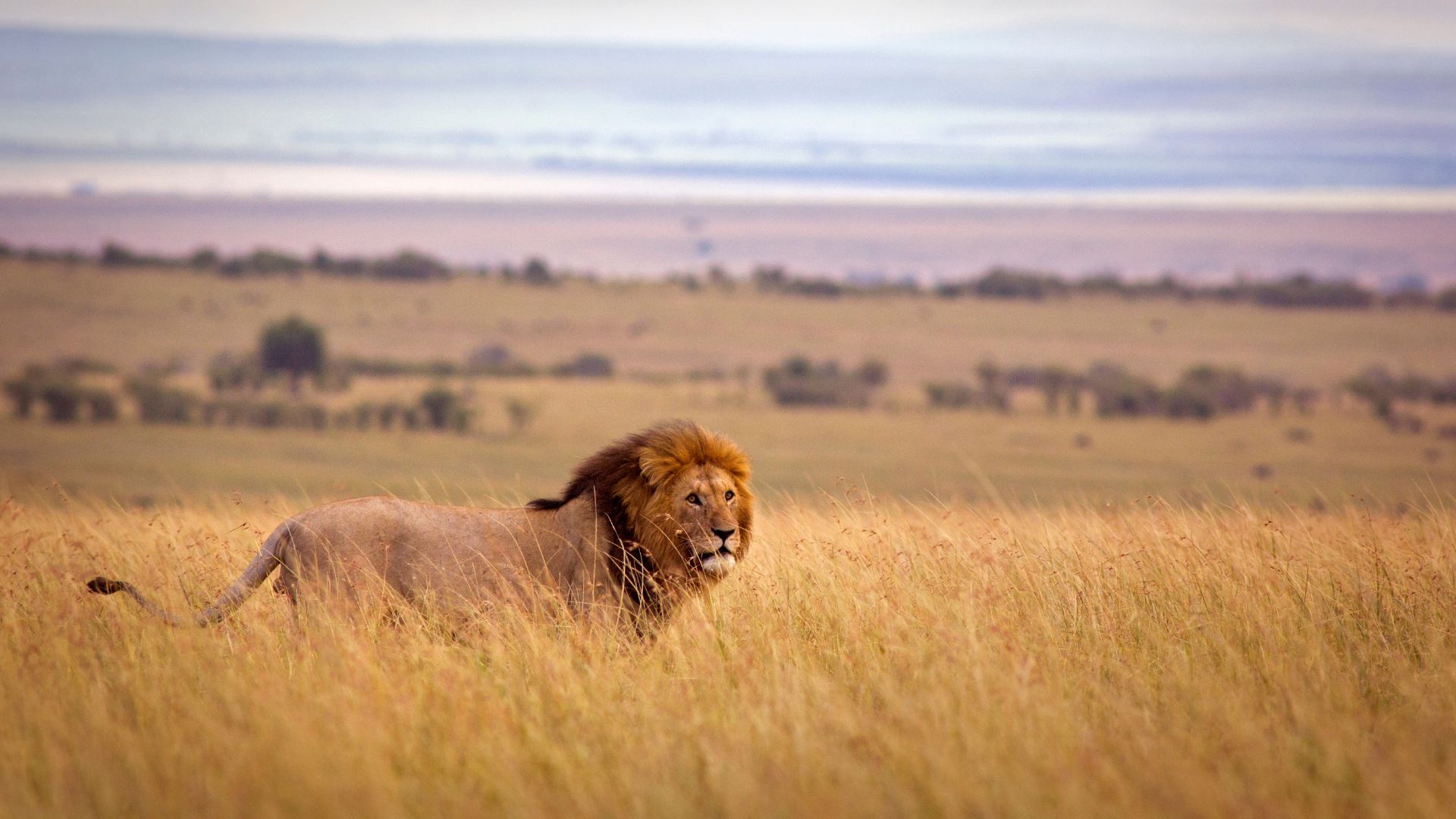
A boutique-luxury photography workshop safari — specialised vehicles, flexible golden-hour drives, and a sunrise balloon shoot.
Explore Journey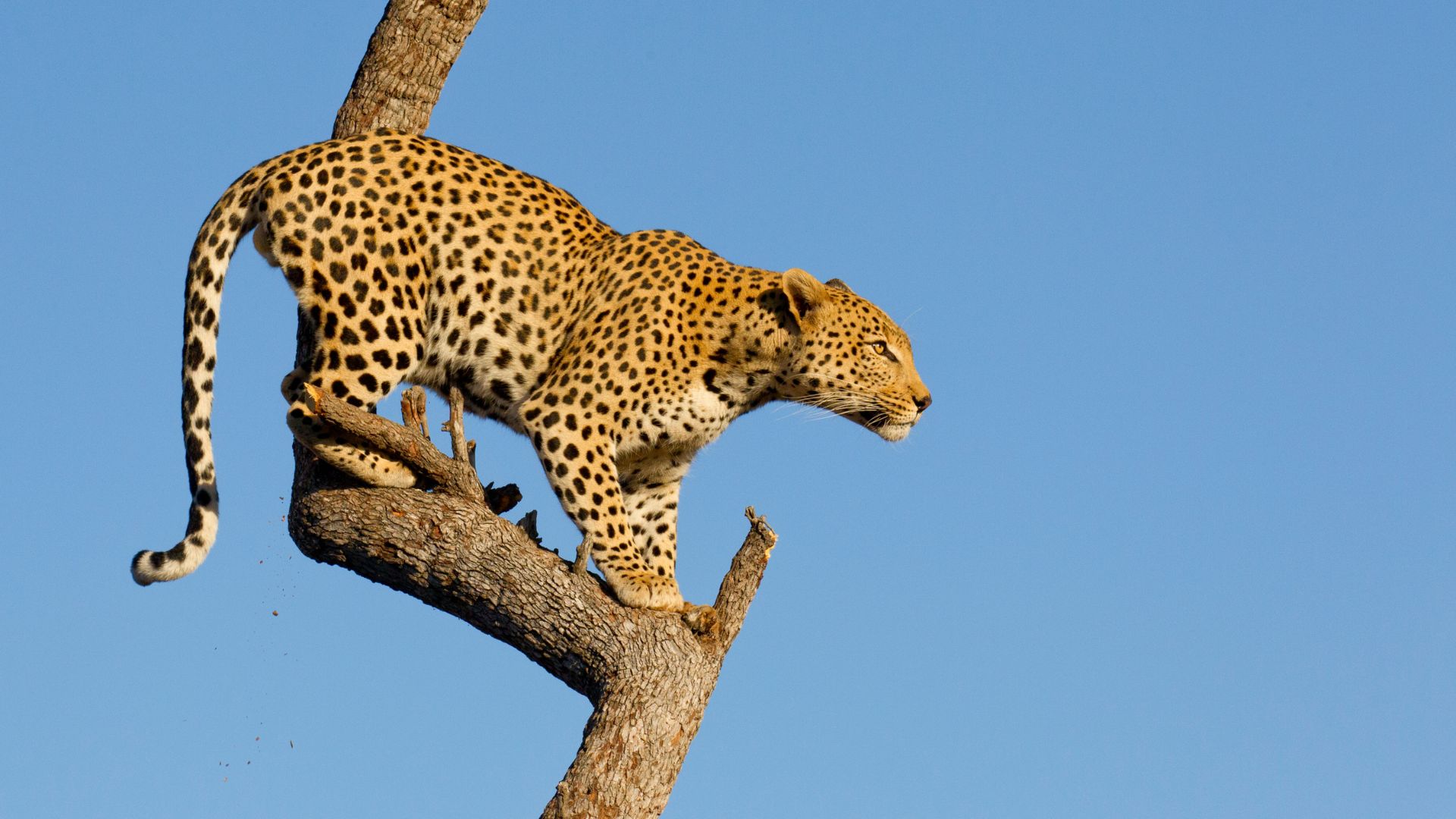
Five days of predator photography on the mainland, then a direct flight to Zanzibar for seascape and Stone Town light.
Explore Journey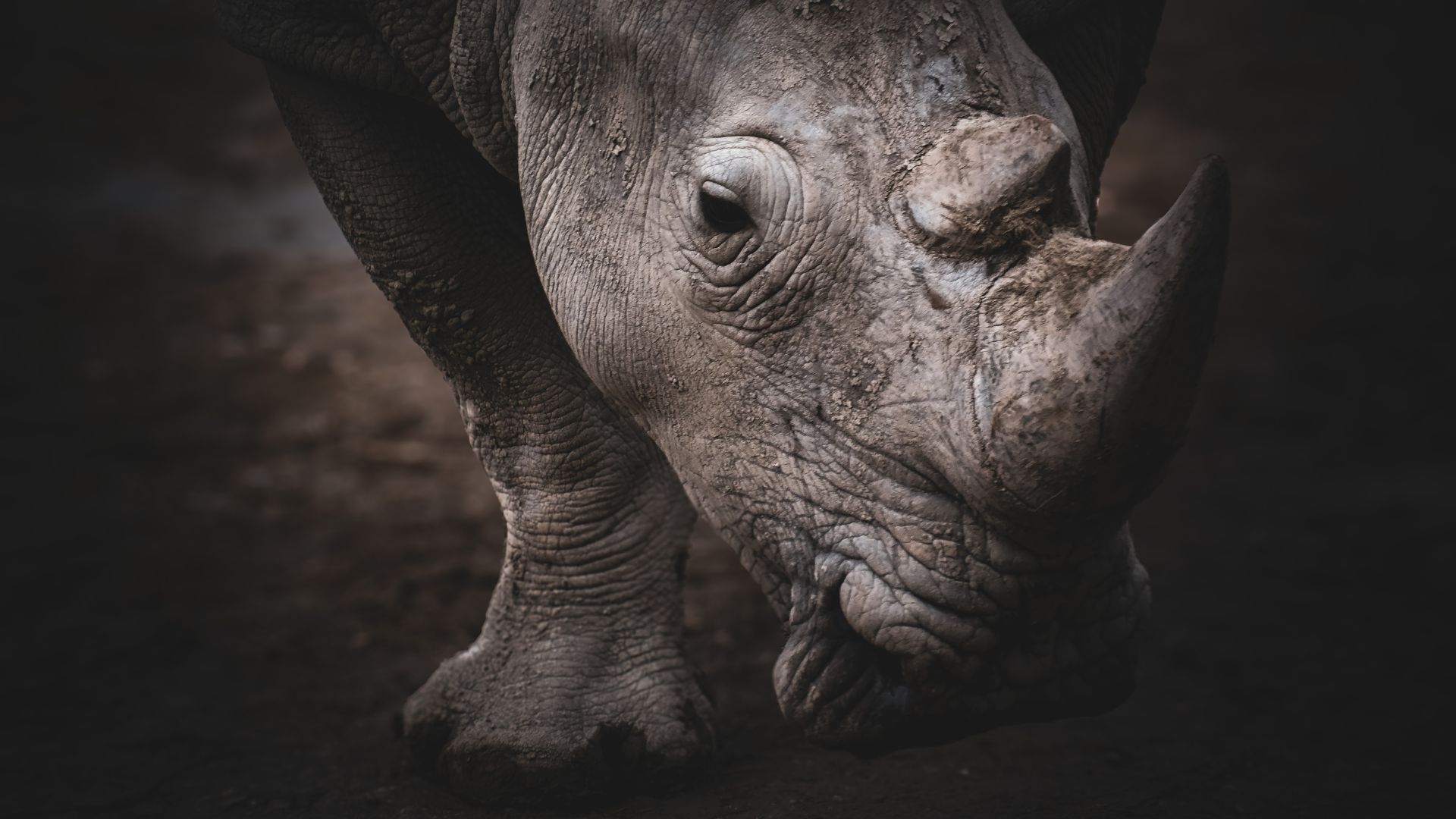
A fully fly-in photography expedition through private concessions with off-road and night-drive permits, finishing on a private island.
Explore JourneyTell us your travel dates and what you're hoping to see, and we'll recommend the right route into it.