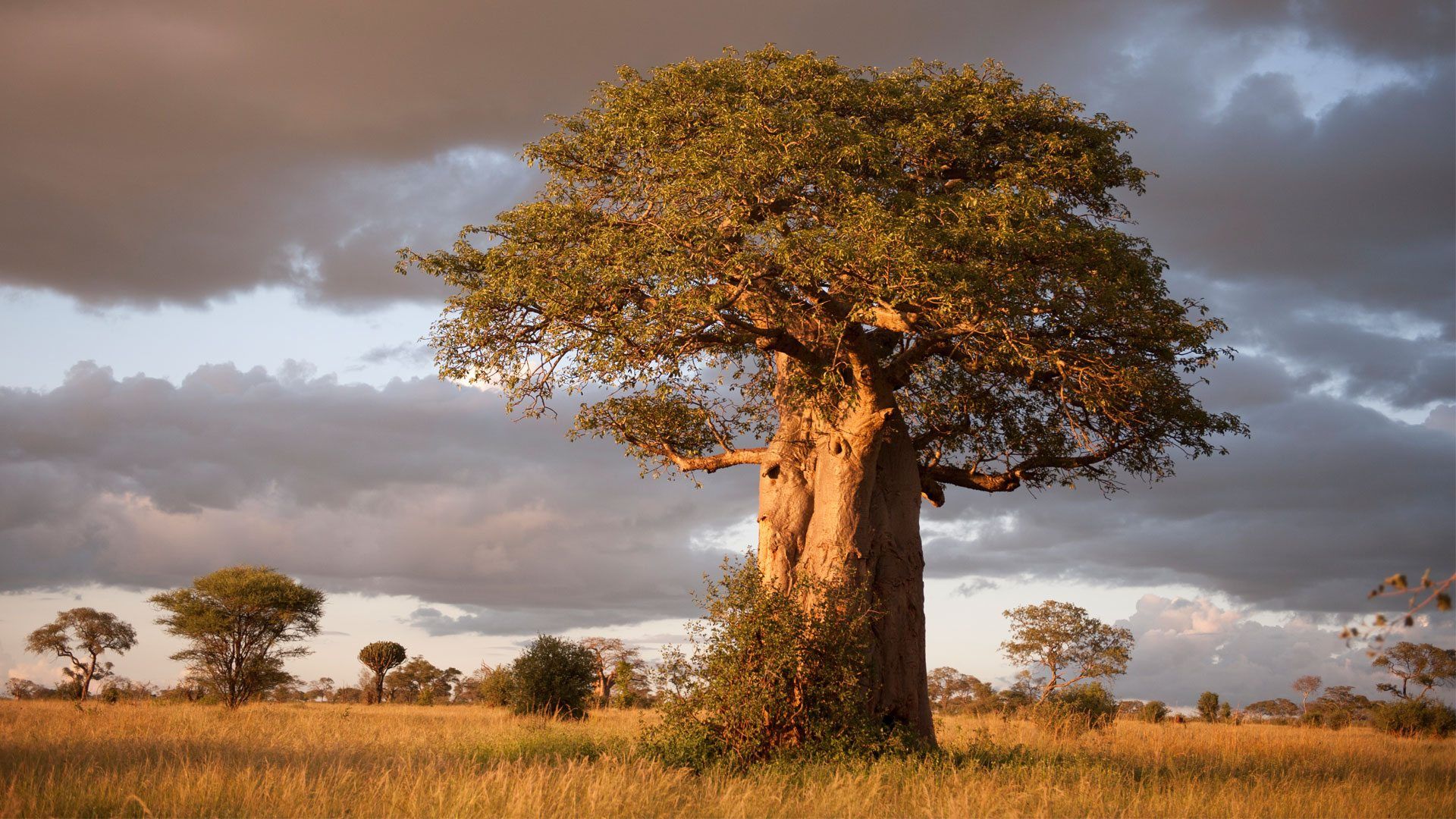
Ancient baobabs and some of the largest elephant herds in Tanzania define Tarangire. It is quieter than the Serengeti year-round, making it a gentle, uncrowded start to a northern circuit itinerary.
| Feature | Details |
|---|---|
| Location | Manyara Region, Northern Tanzania |
| Park Size | 2,850 km² (1,100 sq mi) |
| Name Origin | Named after the Tarangire River (Tara = river, Ngire = warthog, in Mbugwe language) |
| Key Wildlife | Elephants (up to 3,000+ in peak season), lions, leopards, cheetahs, fringe-eared oryx, gerenuk, 550+ bird species |
| Main Access | 2-hour paved drive (120 km) south-west from Arusha |
Tarangire offers unparalleled elephant viewing, with herds of up to 300 individuals regularly gathering along the riverbanks to dig for underground water in dry riverbeds. Massive, thousand-year-old baobab trees dominate the landscape, providing both a dramatic photography backdrop and critical nutrients for wildlife.
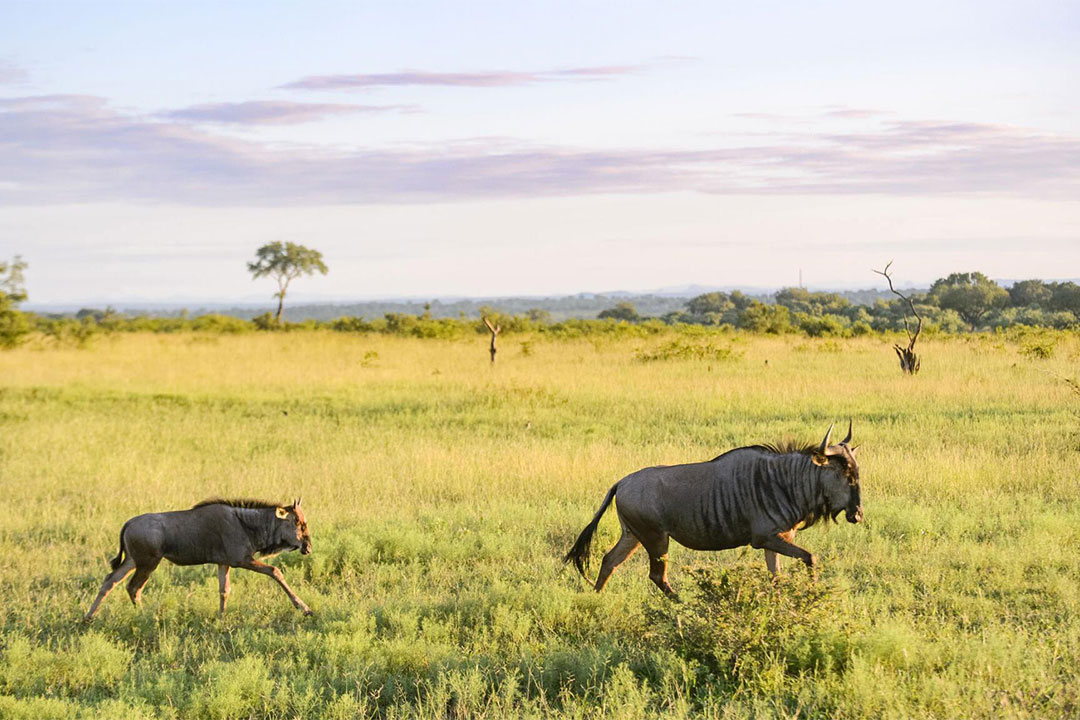
During the dry season, the river becomes the primary permanent water source in the entire region. Herds of wildebeest, zebra, eland, and gazelle flood into the park, drawing high concentrations of predators including lions, leopards, hyenas, and occasional wild dogs.
With over 550 recorded species, Tarangire boasts one of the highest bird diversities in Tanzania. The swamps of Silale attract everything from kori bustards and yellow-collared lovebirds to rufous-tailed weavers and various raptors.
Peak Dry Season (July to October) — the absolute best time for game viewing. Animal concentrations along the river reach their highest density as surrounding seasonal water sources dry up.
Green / Wet Season (November to May) — the park turns vibrant green, migratory birds arrive, and rates drop. While migratory herds disperse into the broader ecosystem, resident game and lush scenery make for exceptional photography.
The same Nanyori Tours standard of care, shared with a small group on fixed dates.
Explore Journey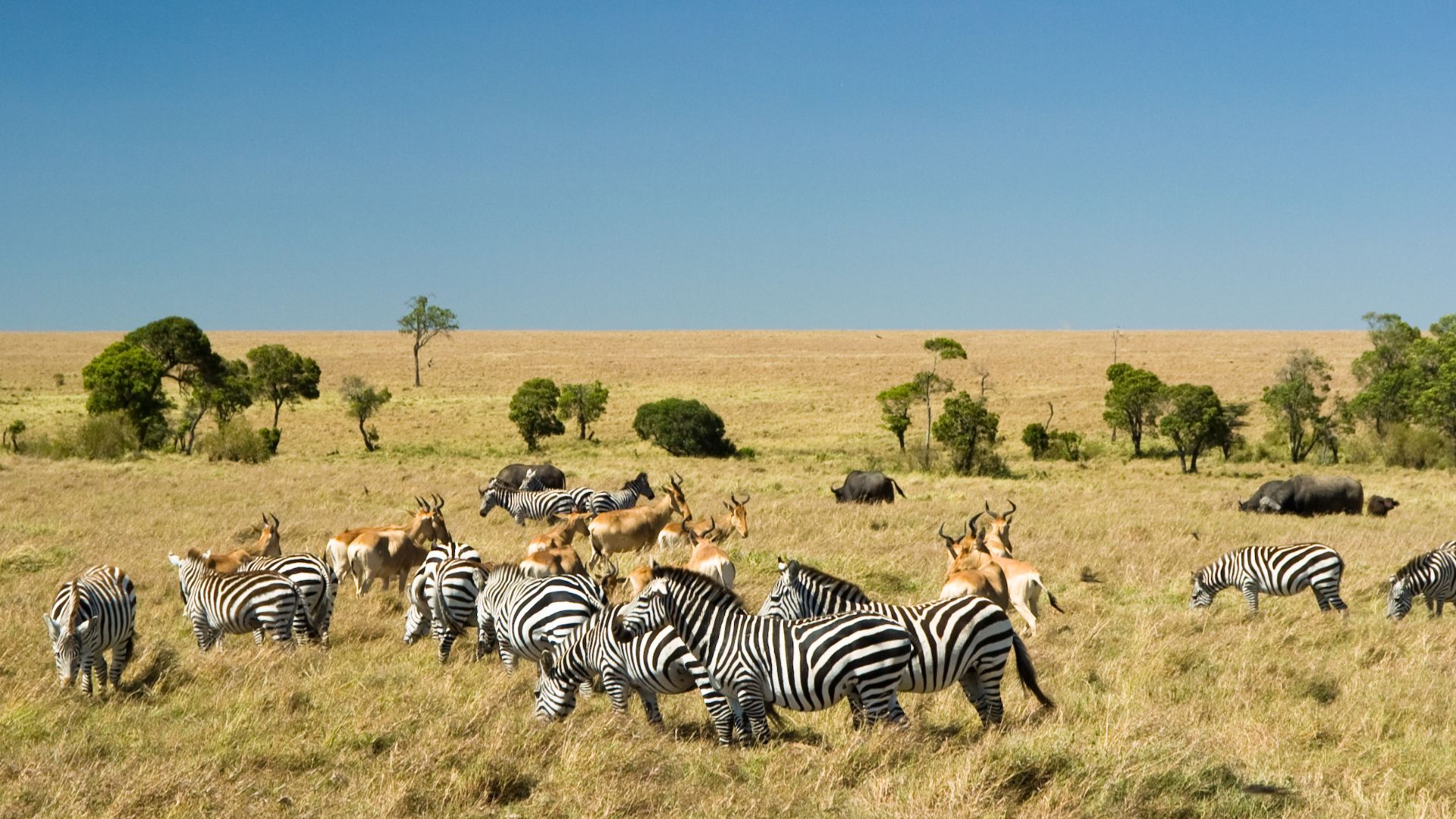
A high-impact, low-fatigue family circuit for families who want big wildlife without long transfers.
Explore Journey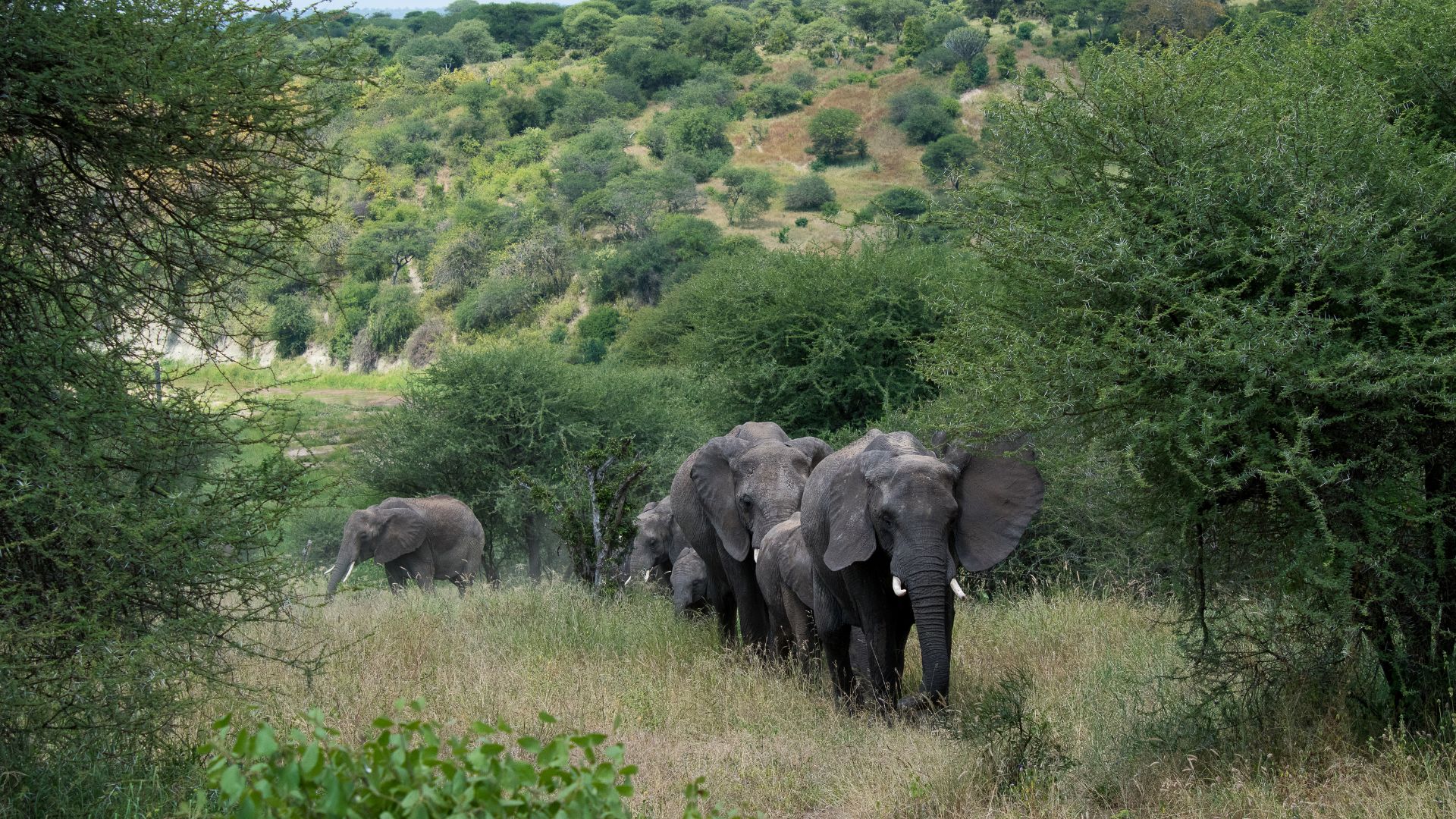
A luxury family expedition into the heart of the Serengeti, with a bush flight home to spare little legs the return drive.
Explore Journey
Five days of Northern Circuit game drives followed by a direct flight to Zanzibar for reef snorkelling and beach time.
Explore Journey
An intimate boutique-luxury circuit for couples — private sundowners, a sunrise balloon safari, and a champagne crater lunch.
Explore Journey
Five days of private big-cat tracking, then a direct flight to a Zanzibar beach resort with private plunge pools and dhow sunsets.
Explore Journey
A fully fly-in itinerary through private concessions and a private island, for couples who want absolute seclusion.
Explore Journey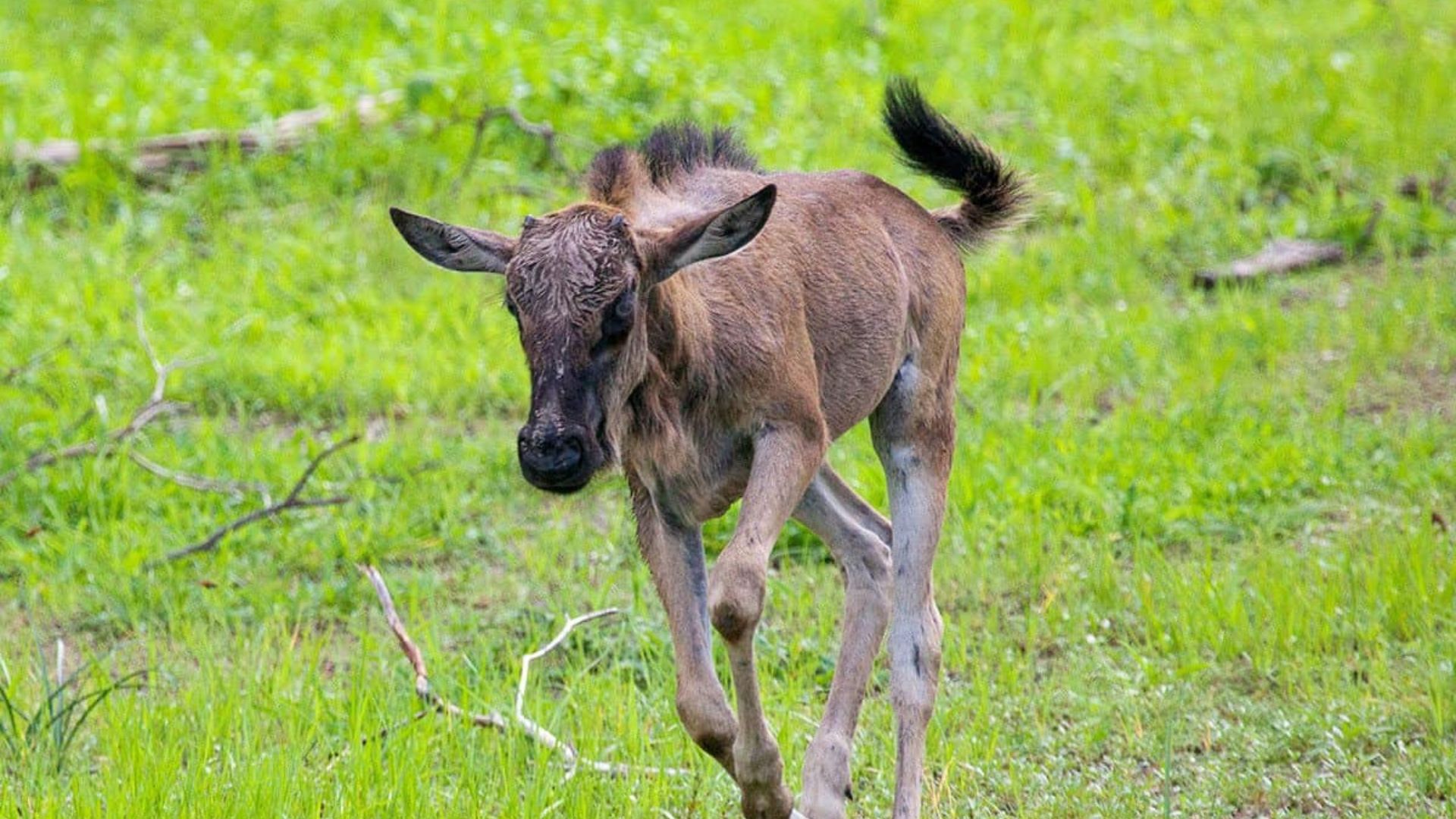
Front-row seats to the calving season on the Ndutu plains, with a sunrise balloon safari over the herds.
Explore Journey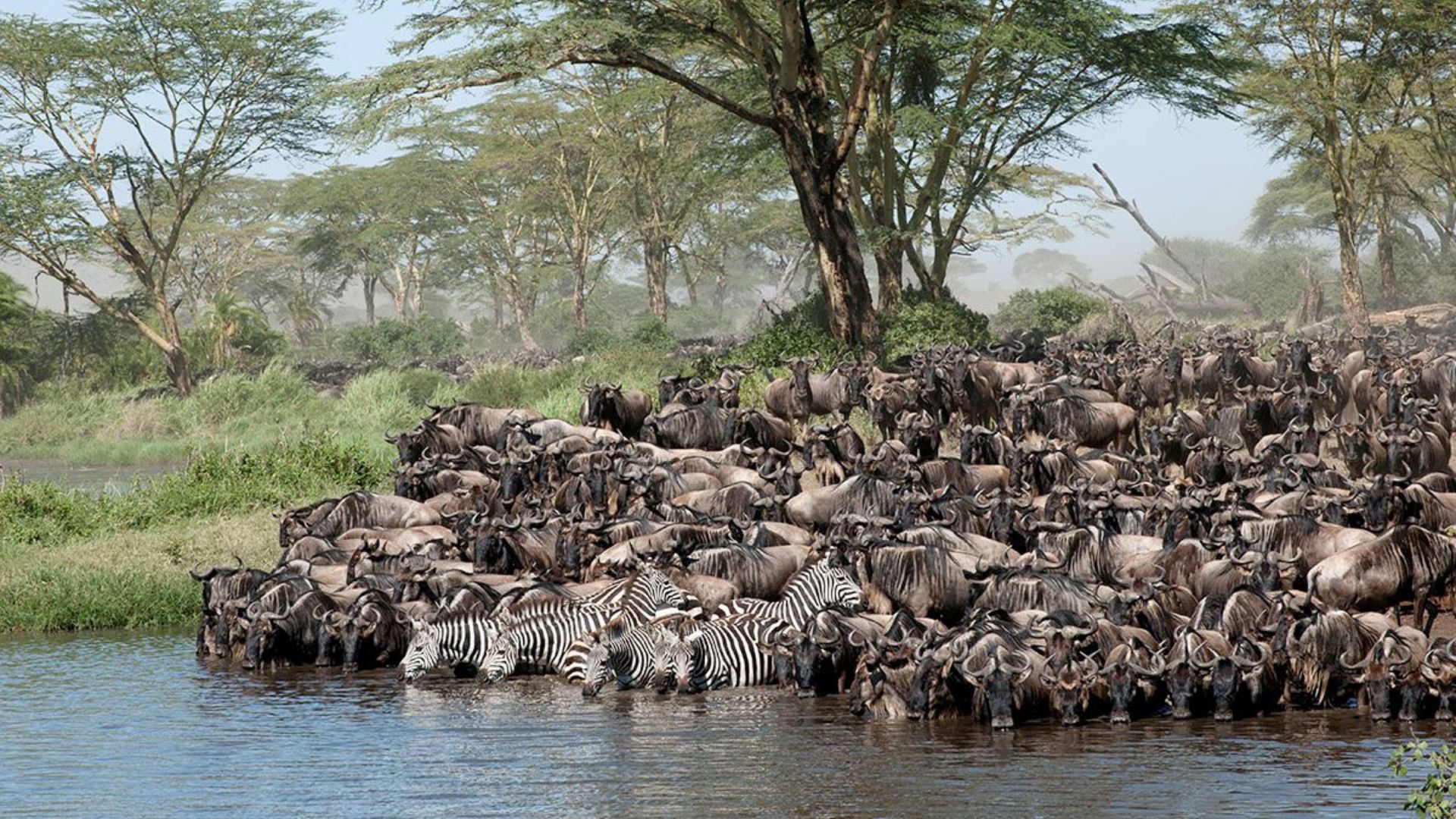
Five days tracking the migration to the Grumeti River, then a direct flight to a Zanzibar beach resort.
Explore Journey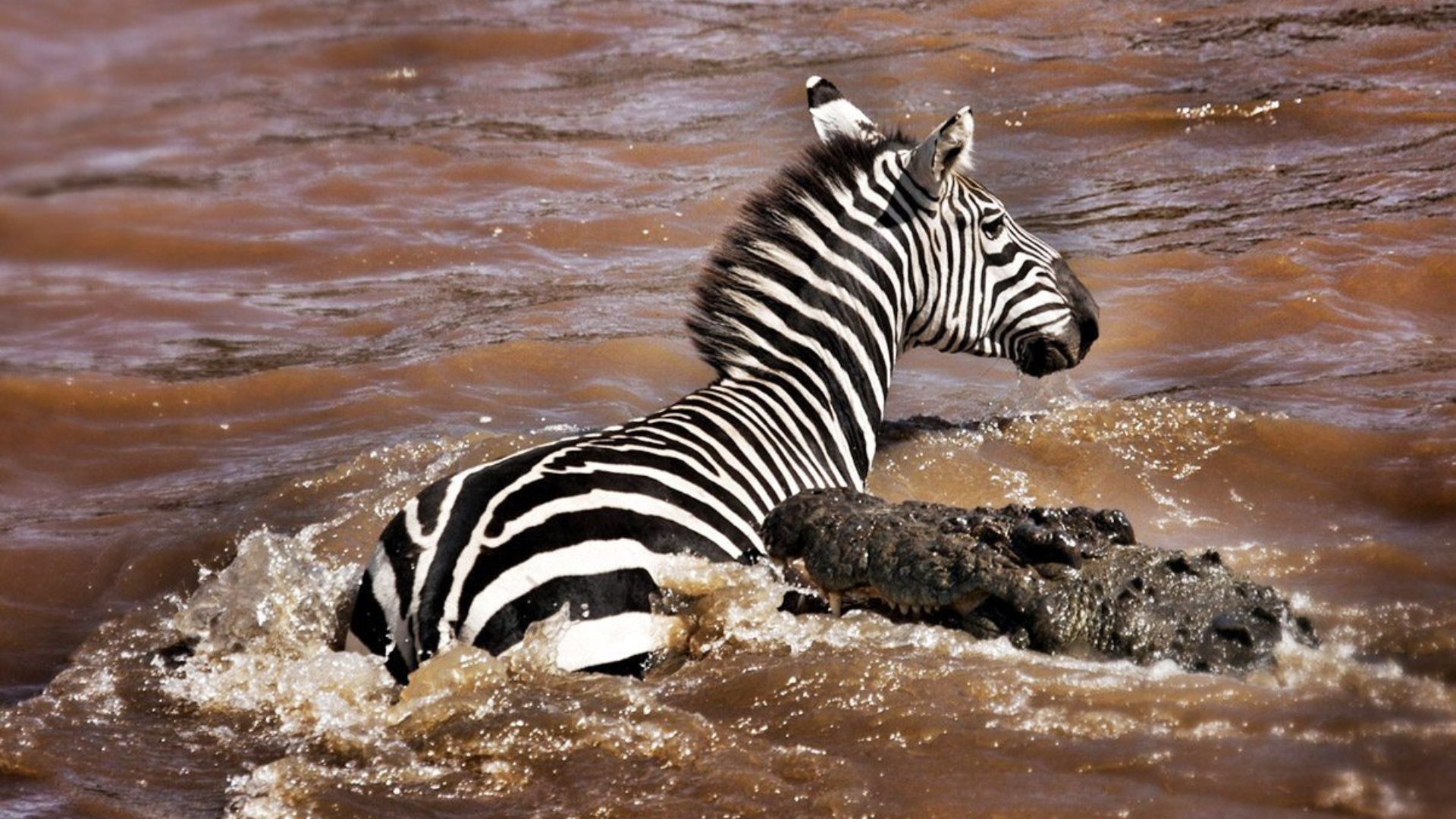
A fully fly-in itinerary to the Mara River crossings, through private concessions and a private island finish.
Explore Journey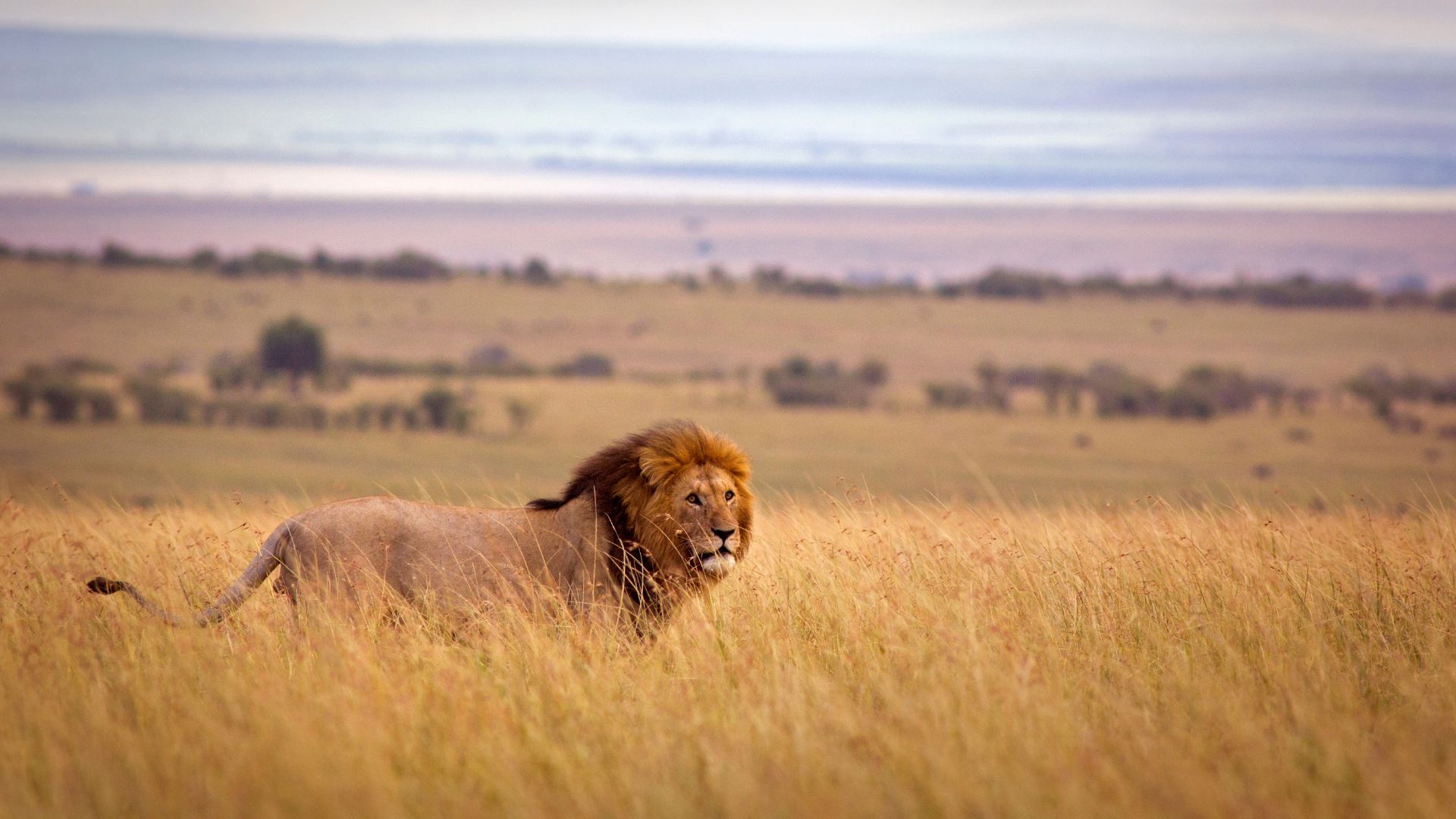
A boutique-luxury photography workshop safari — specialised vehicles, flexible golden-hour drives, and a sunrise balloon shoot.
Explore Journey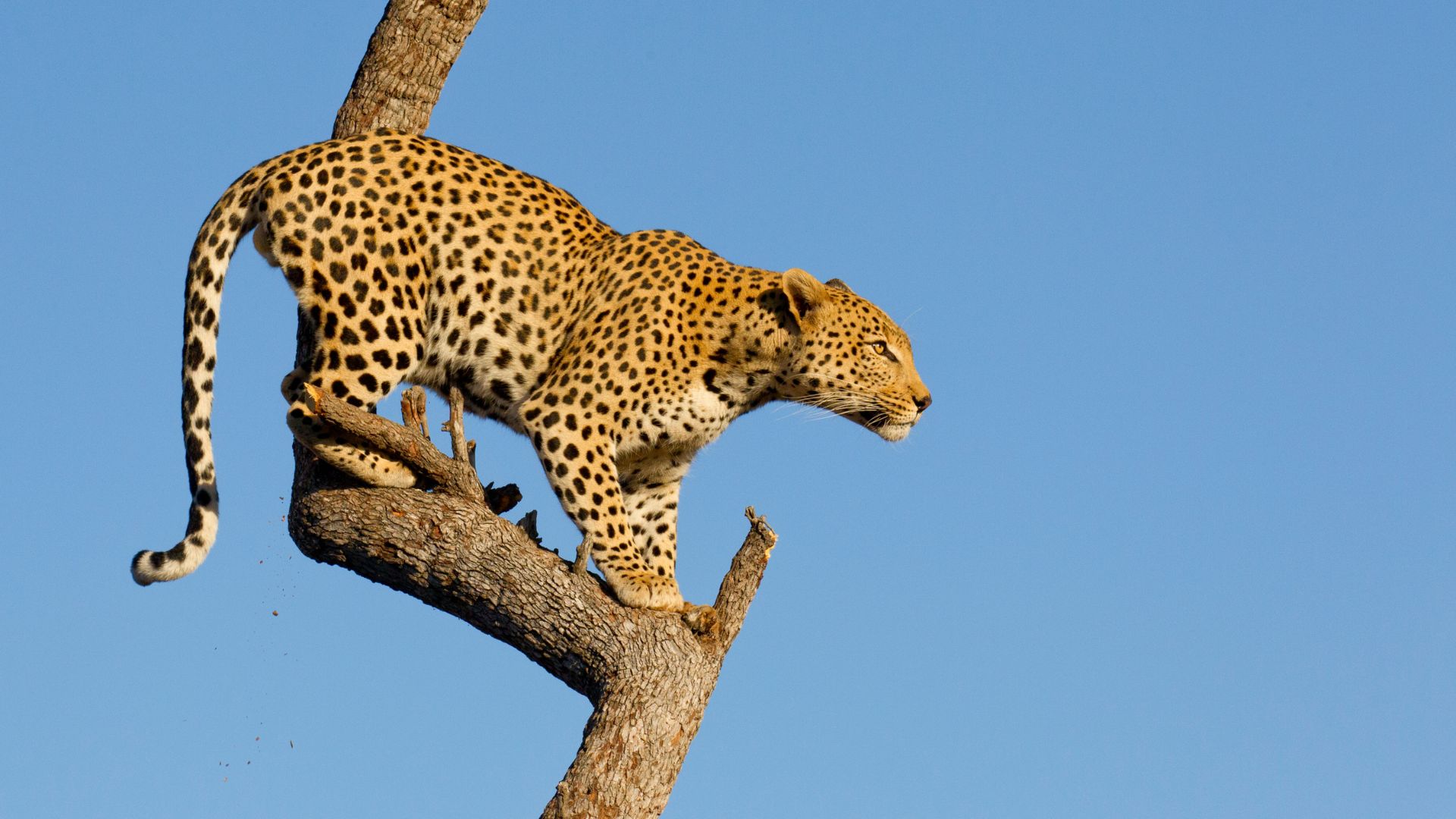
Five days of predator photography on the mainland, then a direct flight to Zanzibar for seascape and Stone Town light.
Explore Journey
A fully fly-in photography expedition through private concessions with off-road and night-drive permits, finishing on a private island.
Explore JourneyTell us your travel dates and what you're hoping to see, and we'll recommend the right route into it.